



Article: What is Shibori? The Technique Behind ALQUEMA's Pleating
What is Shibori? The Technique Behind ALQUEMA's Pleating
The fabric ALQUEMA is known for doesn't come from a machine. It starts with a traditional Japanese technique that has been adapted, refined, and made into something particular to the label over more than 40 years.
Here's where Shibori comes from, what makes it different, and how it became the foundation of one of Australia's longest-running women's fashion labels.
Shibori: A Brief History
Shibori is a Japanese word that refers to a range of manual textile manipulation techniques. The term comes from the verb shiboru, meaning to wring, squeeze, or press. Shibori techniques involve folding, binding, compressing, twisting, or stitching fabric before treating it, to create patterns and texture.
The technique has been practised in Japan for over 500 years, with documented use as far back as the 8th century. It developed in parallel with indigo dyeing, which is why Shibori is most commonly associated with deep blue and white patterns. But the technique extends well beyond dyeing. The manipulation of fabric through Shibori creates permanent structural changes: the fabric holds its shape because the fibres have been worked into a new configuration.
What Makes Shibori Different from Other Textile Techniques
Machine printing applies pattern to the surface of fabric. Machine weaving creates structure through the interlocking of threads. Shibori works differently. It manipulates fabric that already exists, changing its structure from the outside in.
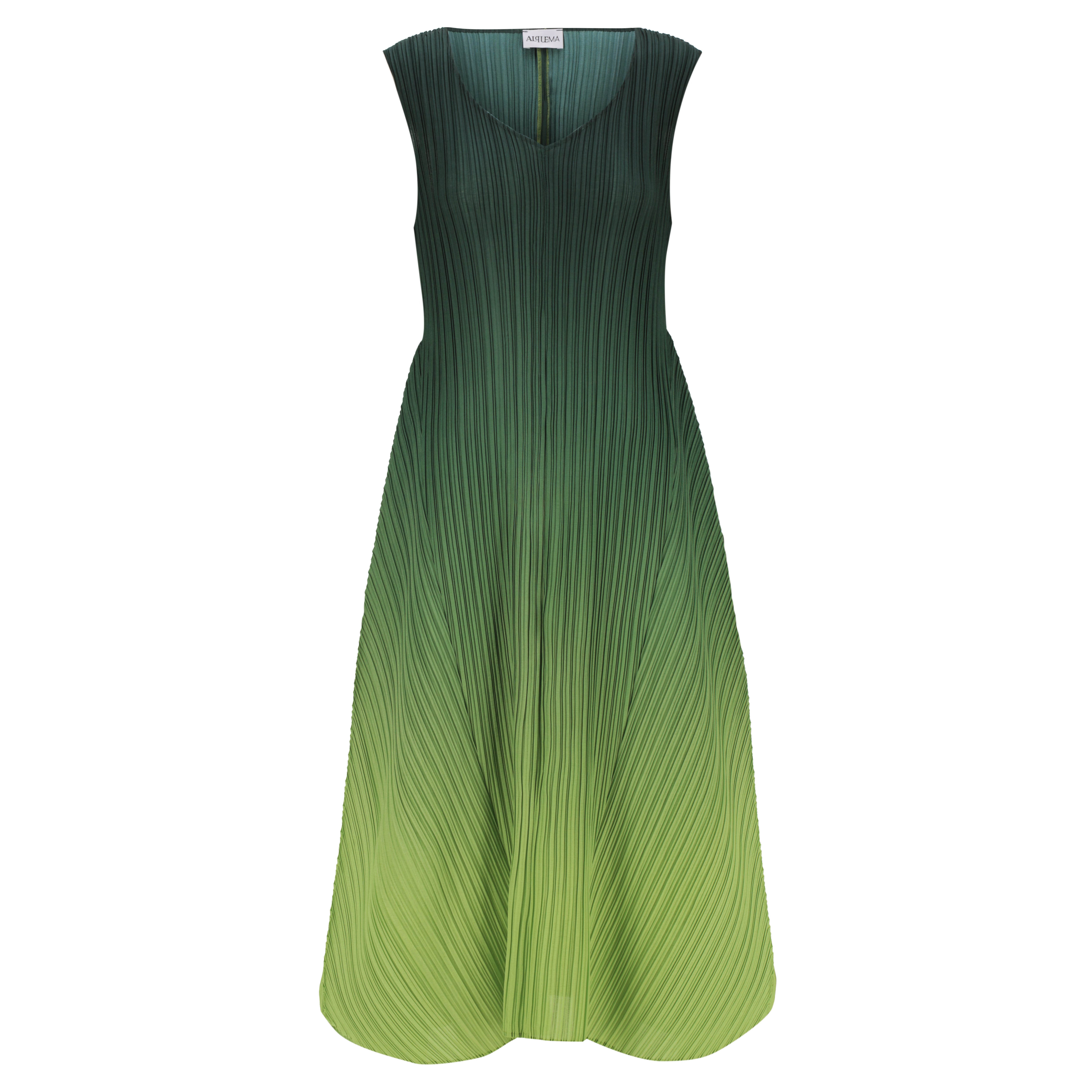
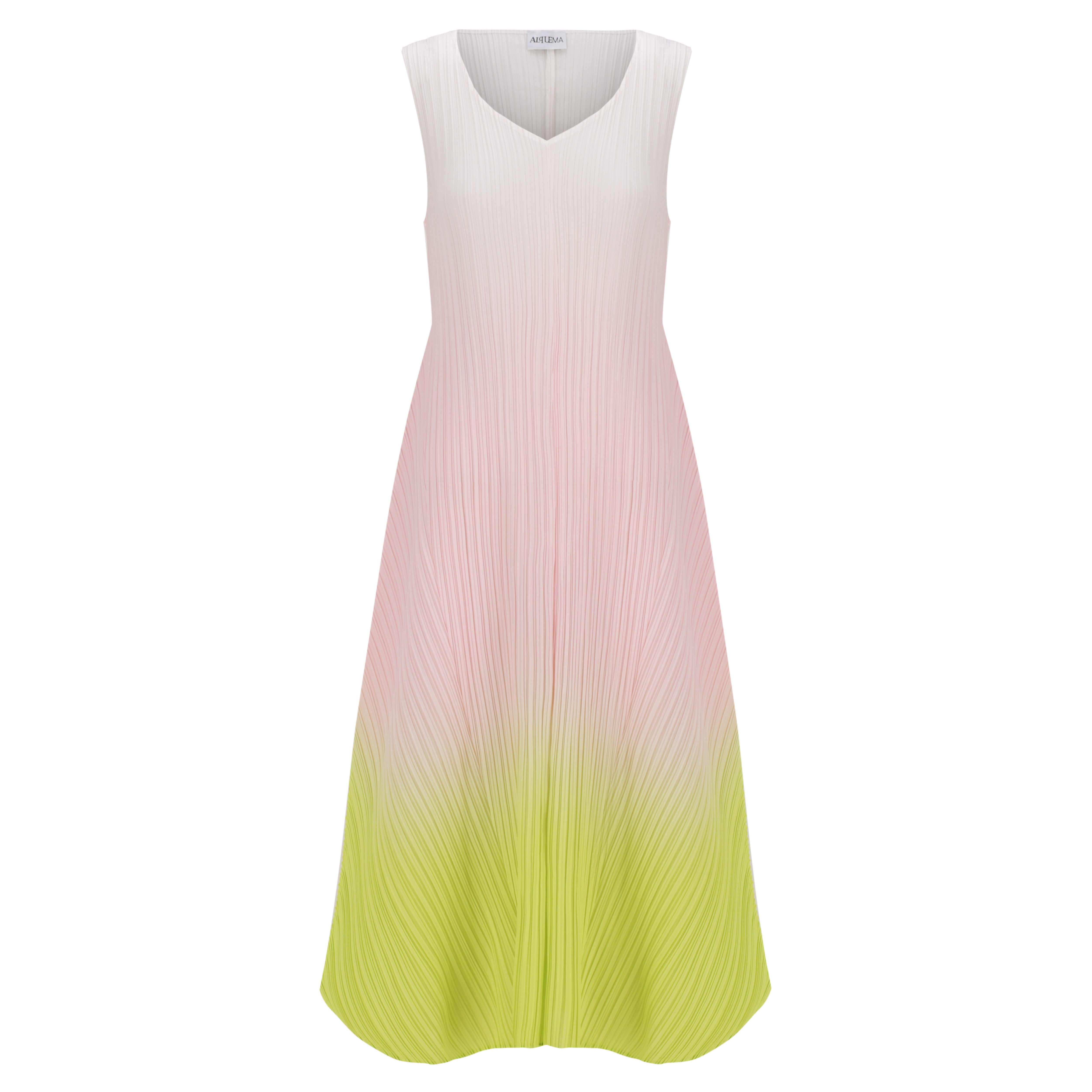
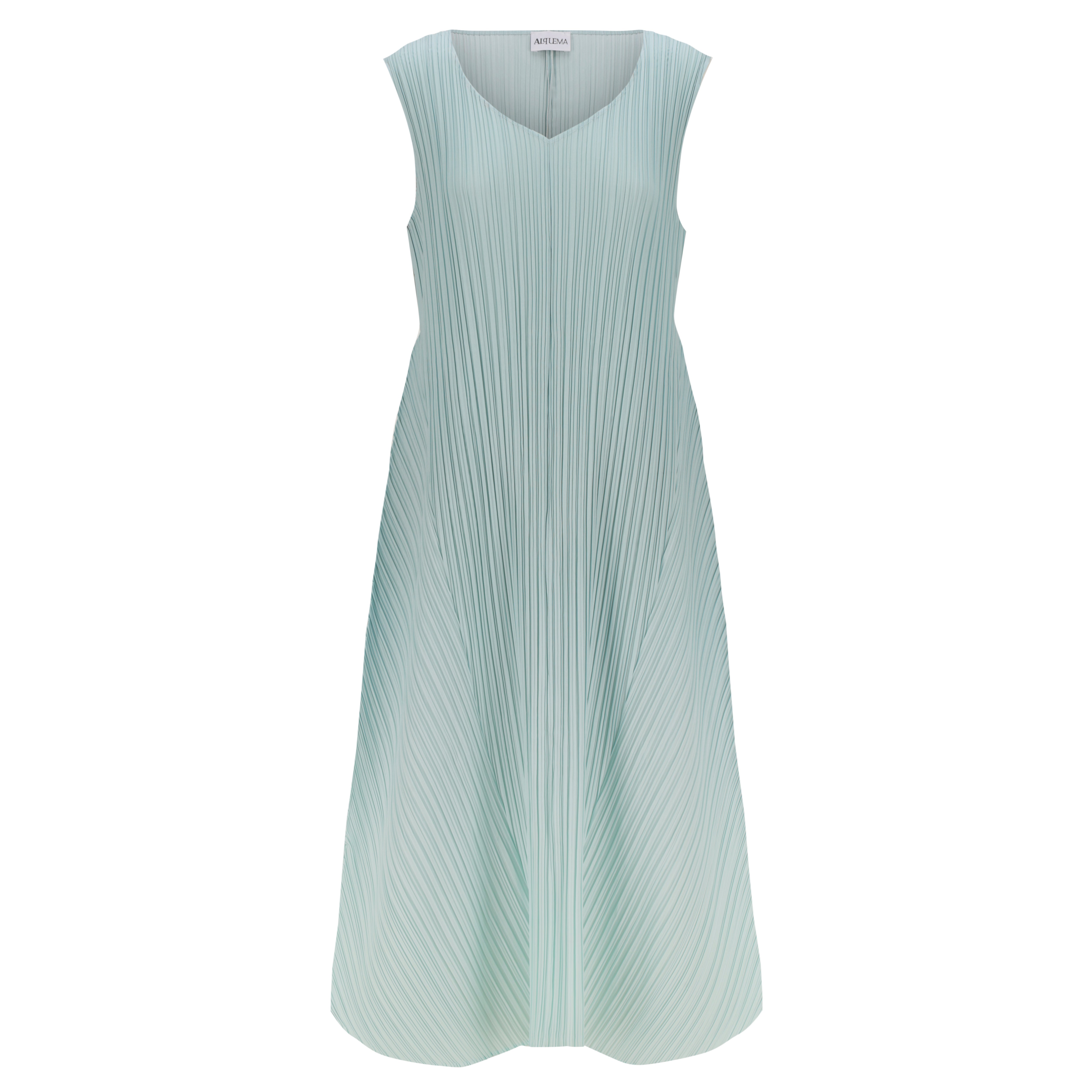
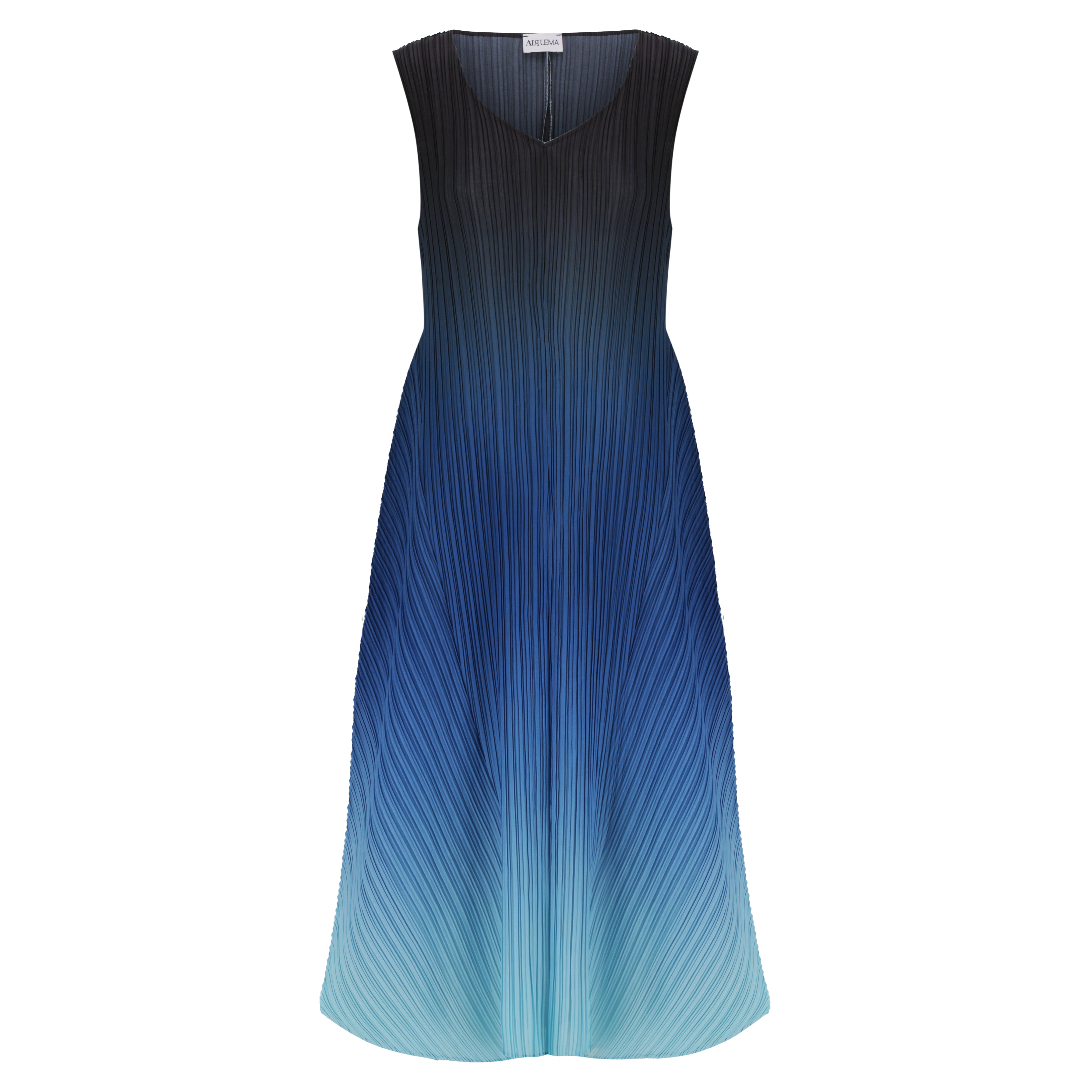
Shibori-made fabric has a quality that resists description by the usual words. The texture is three-dimensional rather than flat. The pattern, where it exists, comes from the fabric's structure rather than from ink or dye applied on top. The fabric holds memory of how it was treated.
How ALQUEMA Adapted the Technique
ALQUEMA was founded in Sydney over 40 years ago. The brand's signature technique is hand-pleating inspired by Shibori, applied to the fabric that becomes each piece's body.
Each piece is worked by hand. The pleating is applied before the garment is cut and constructed, which means the fabric structure is present throughout the finished piece, not applied as a finishing treatment.
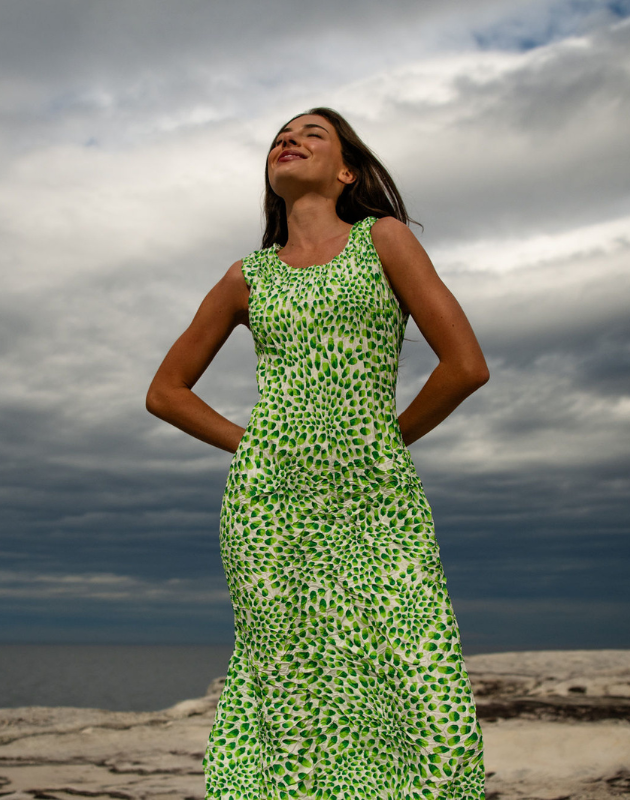
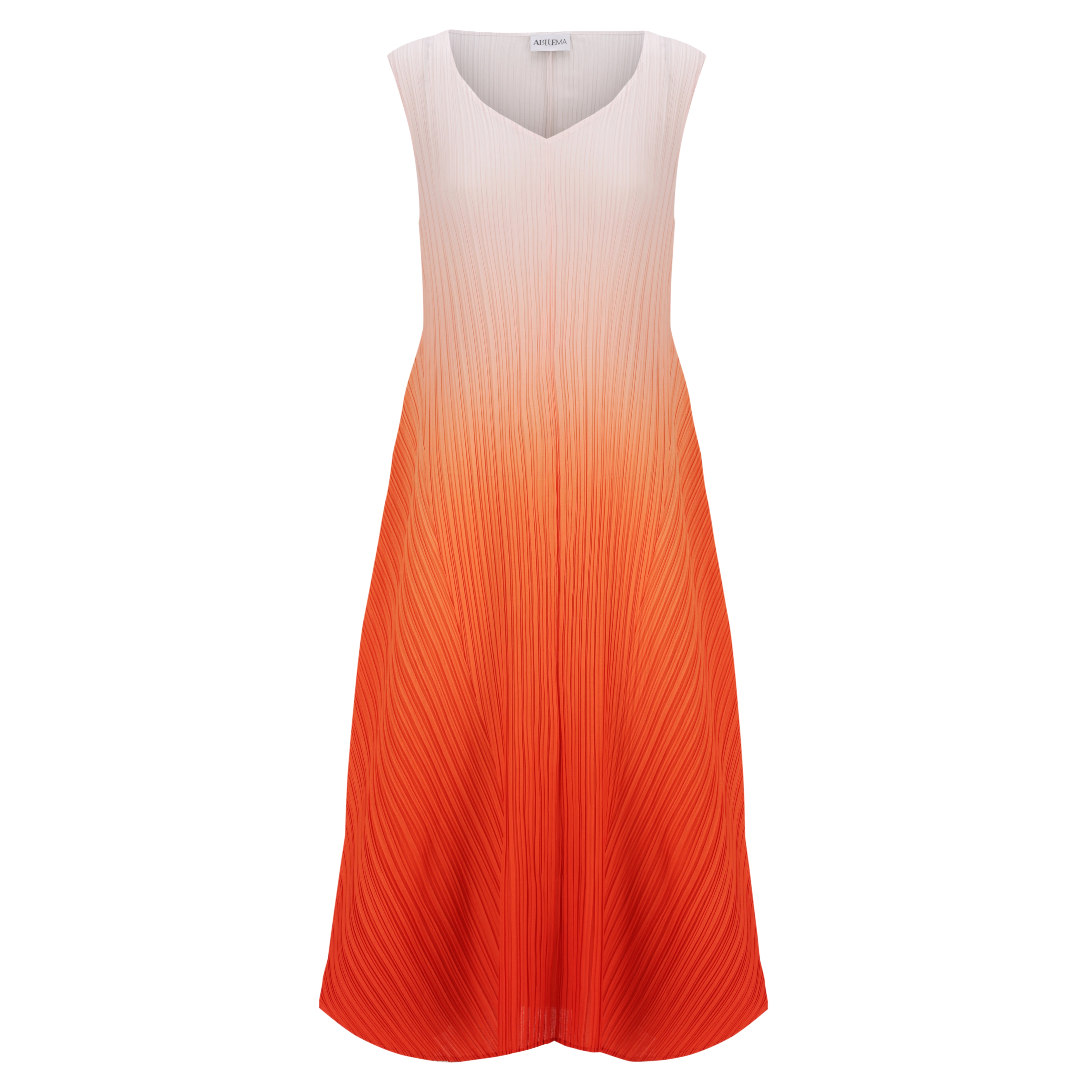
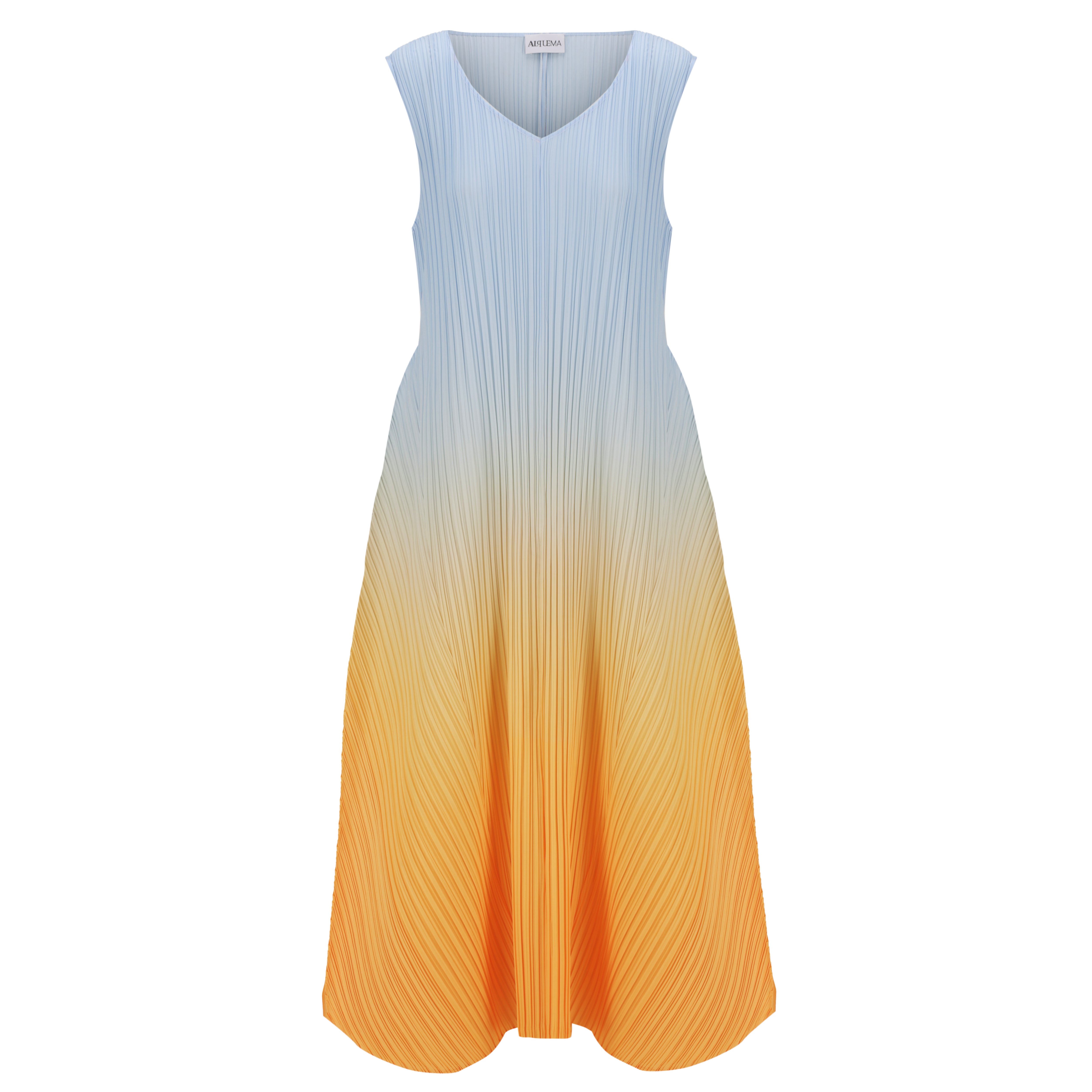
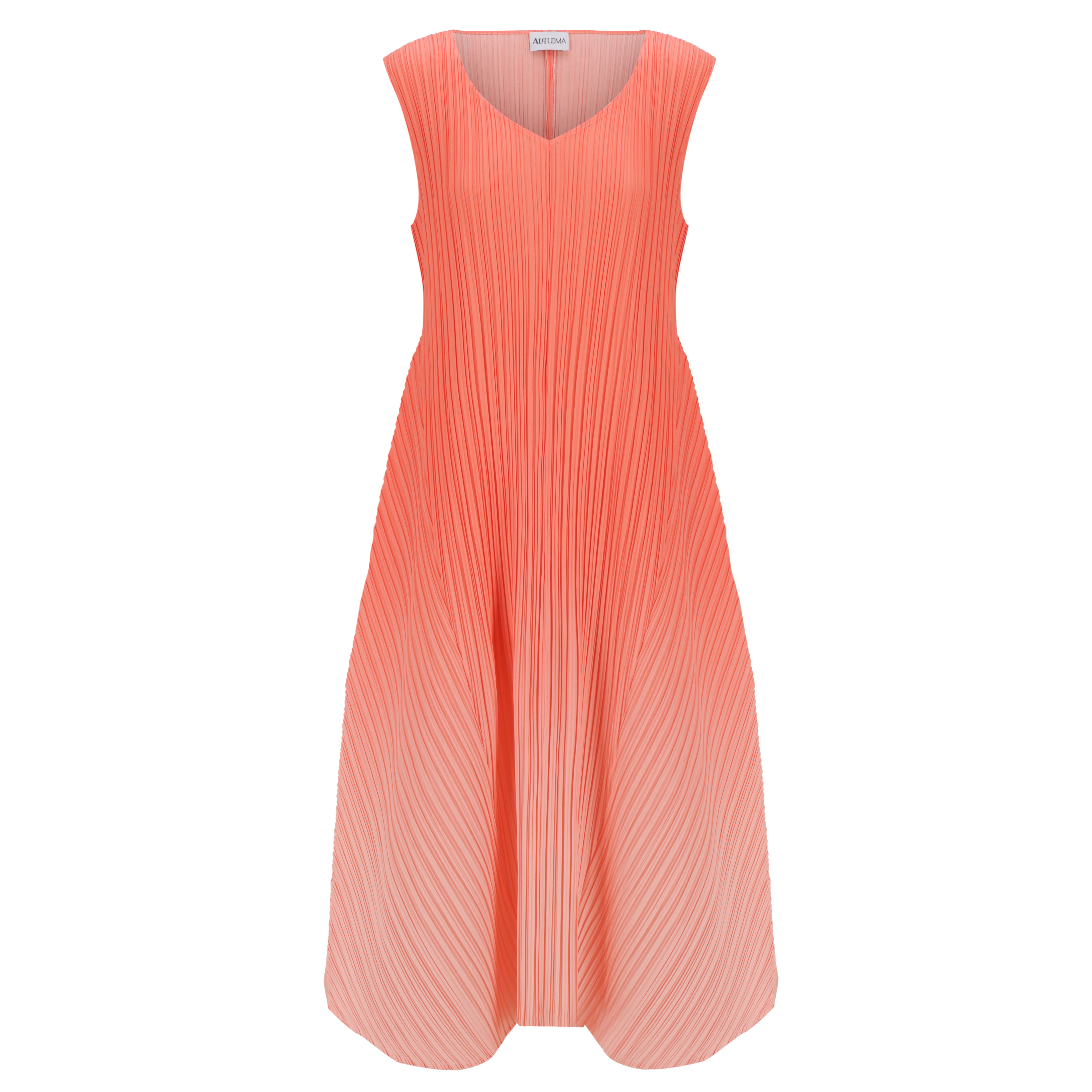
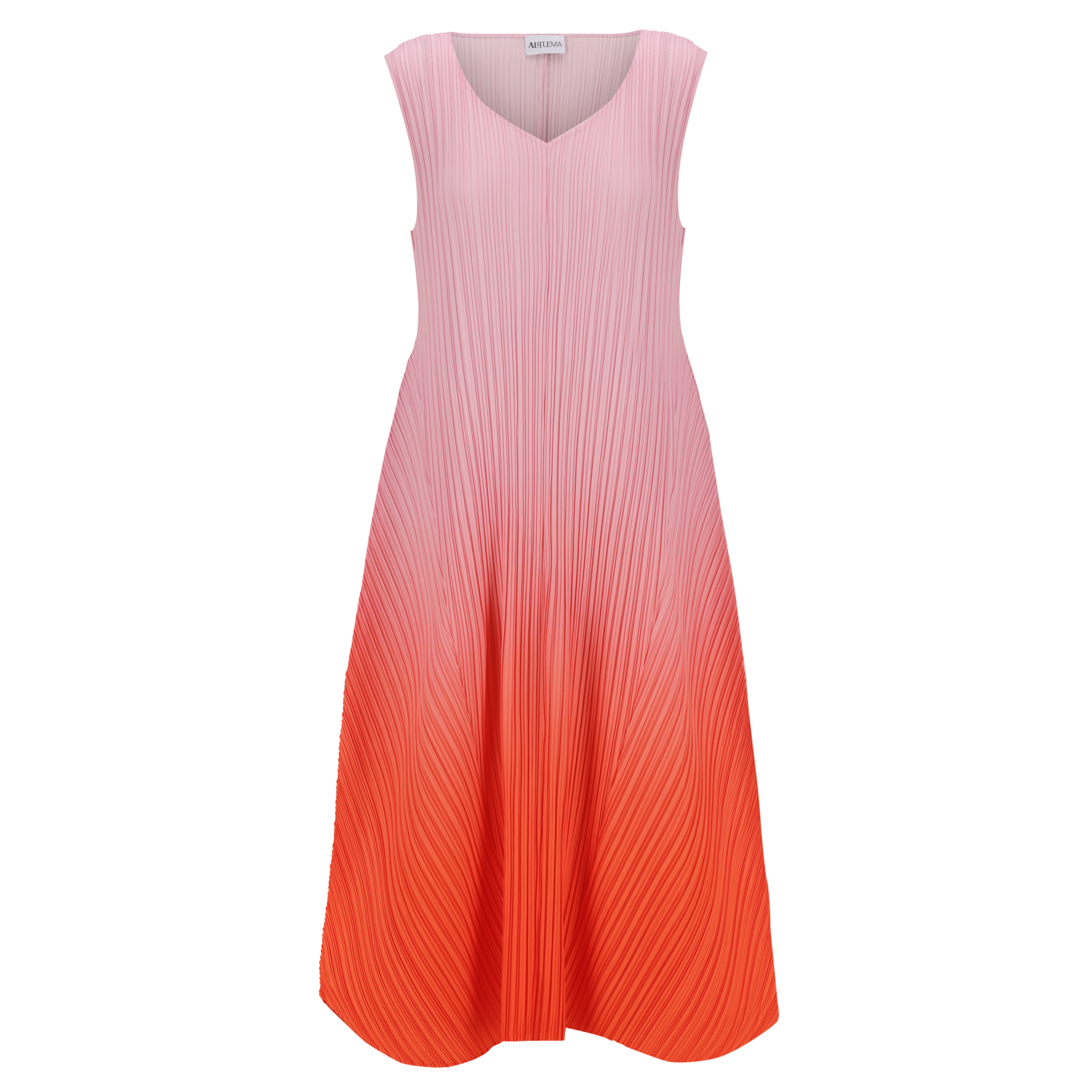
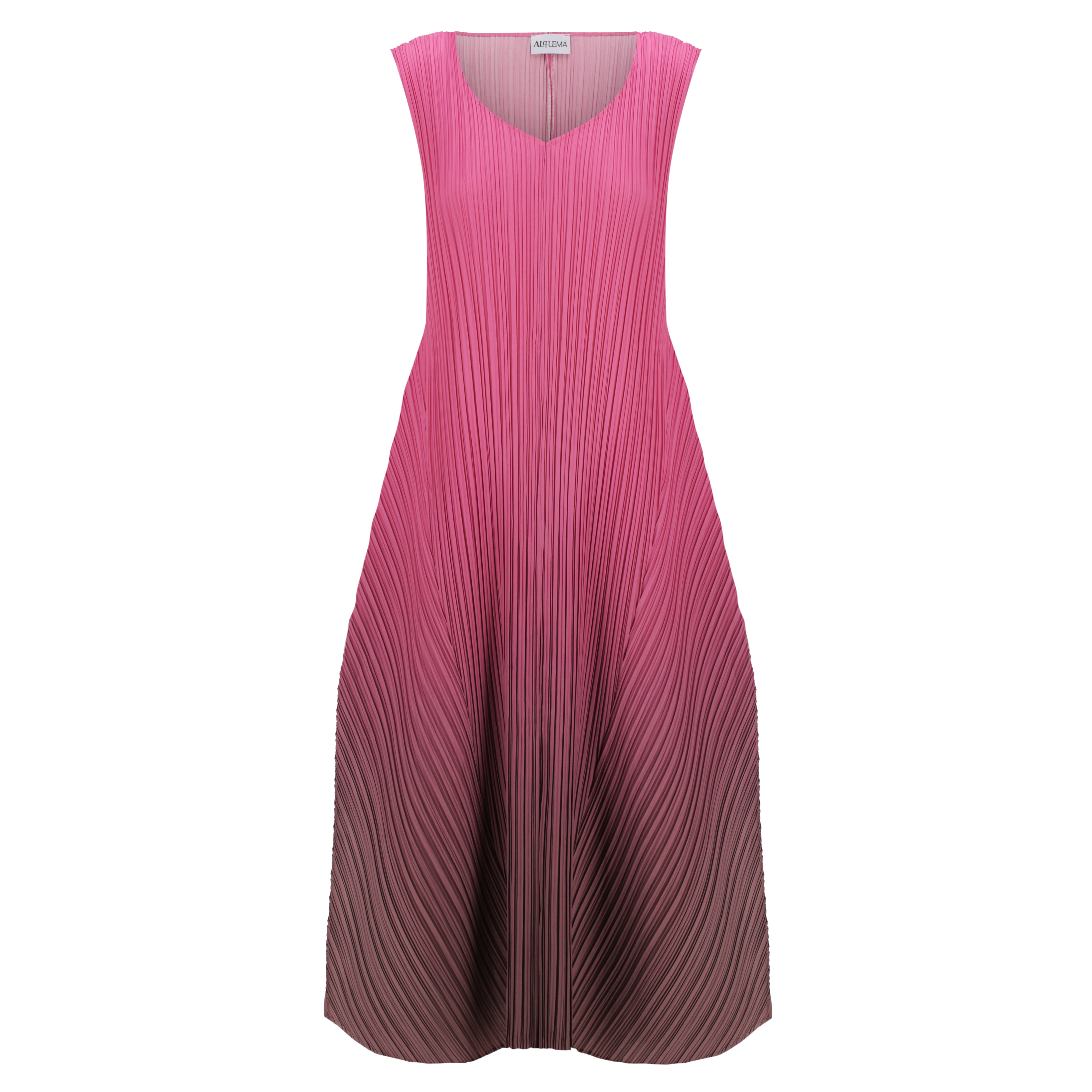
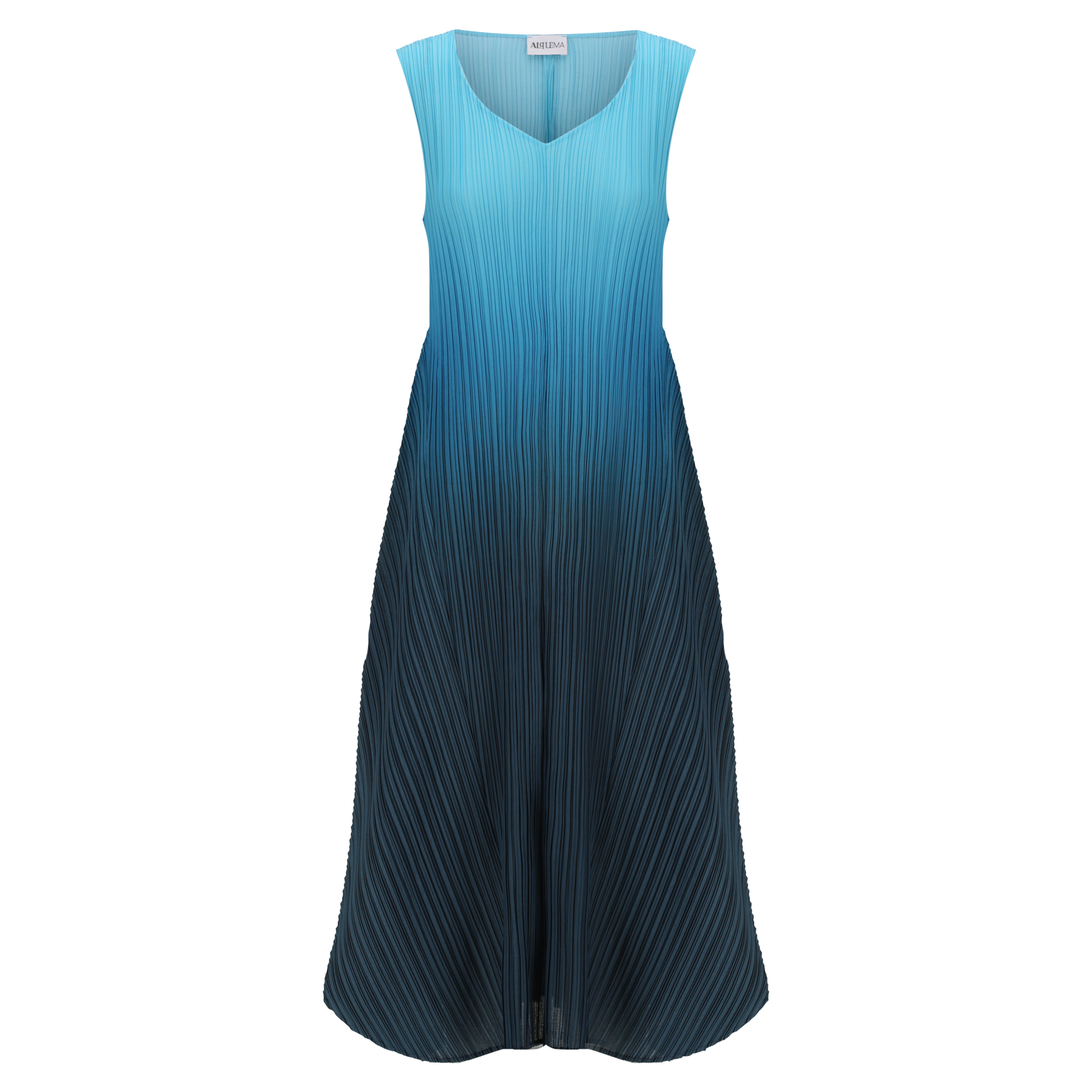
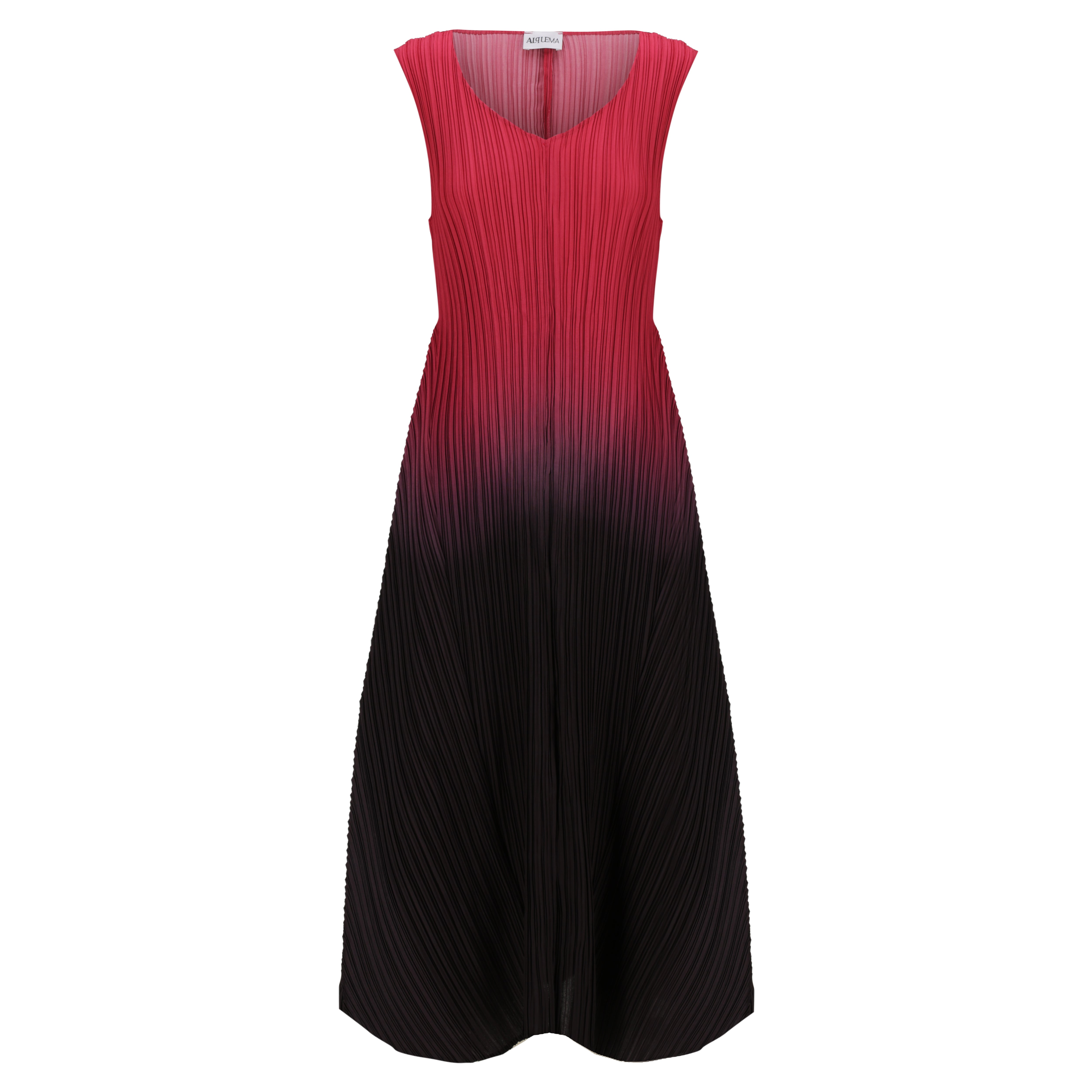
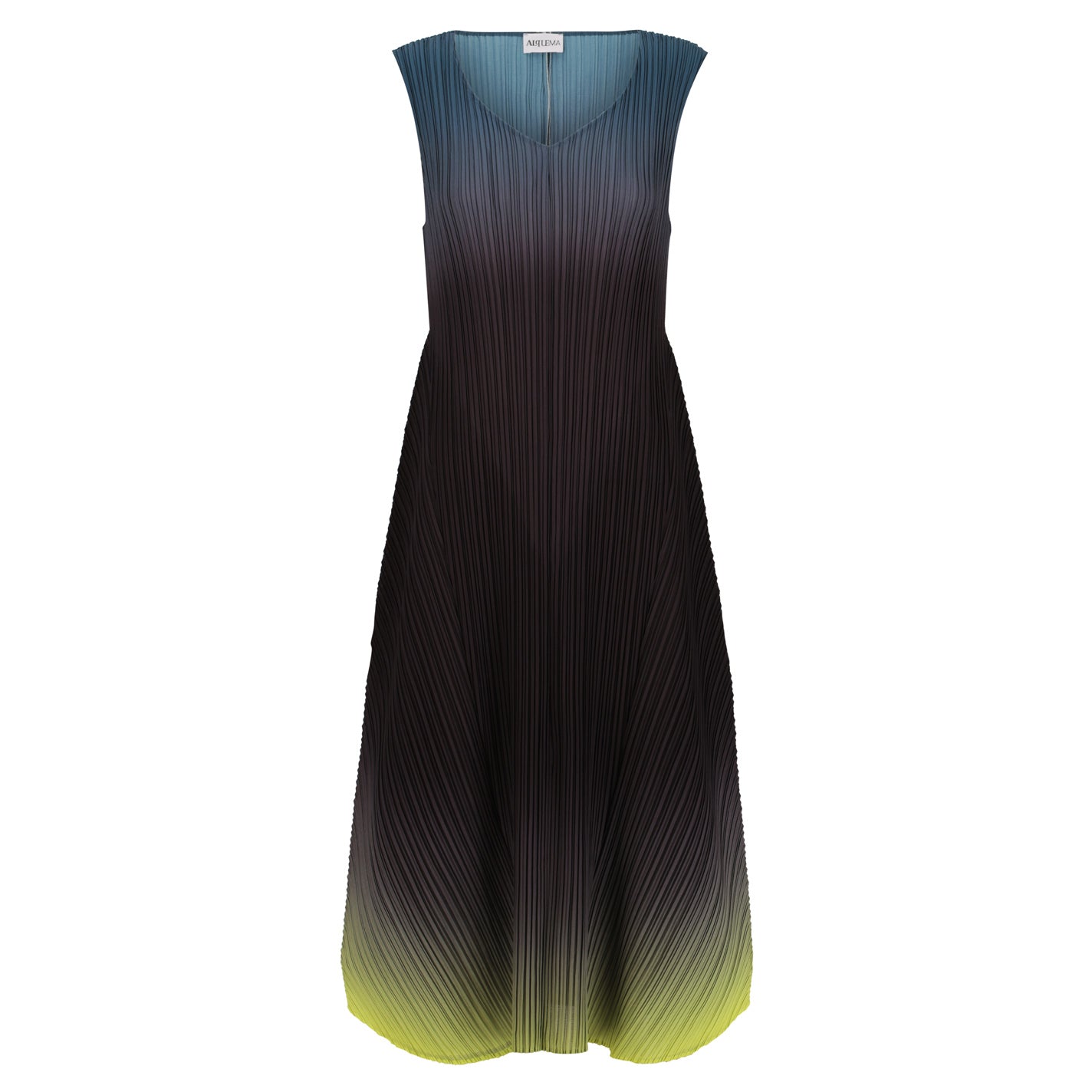
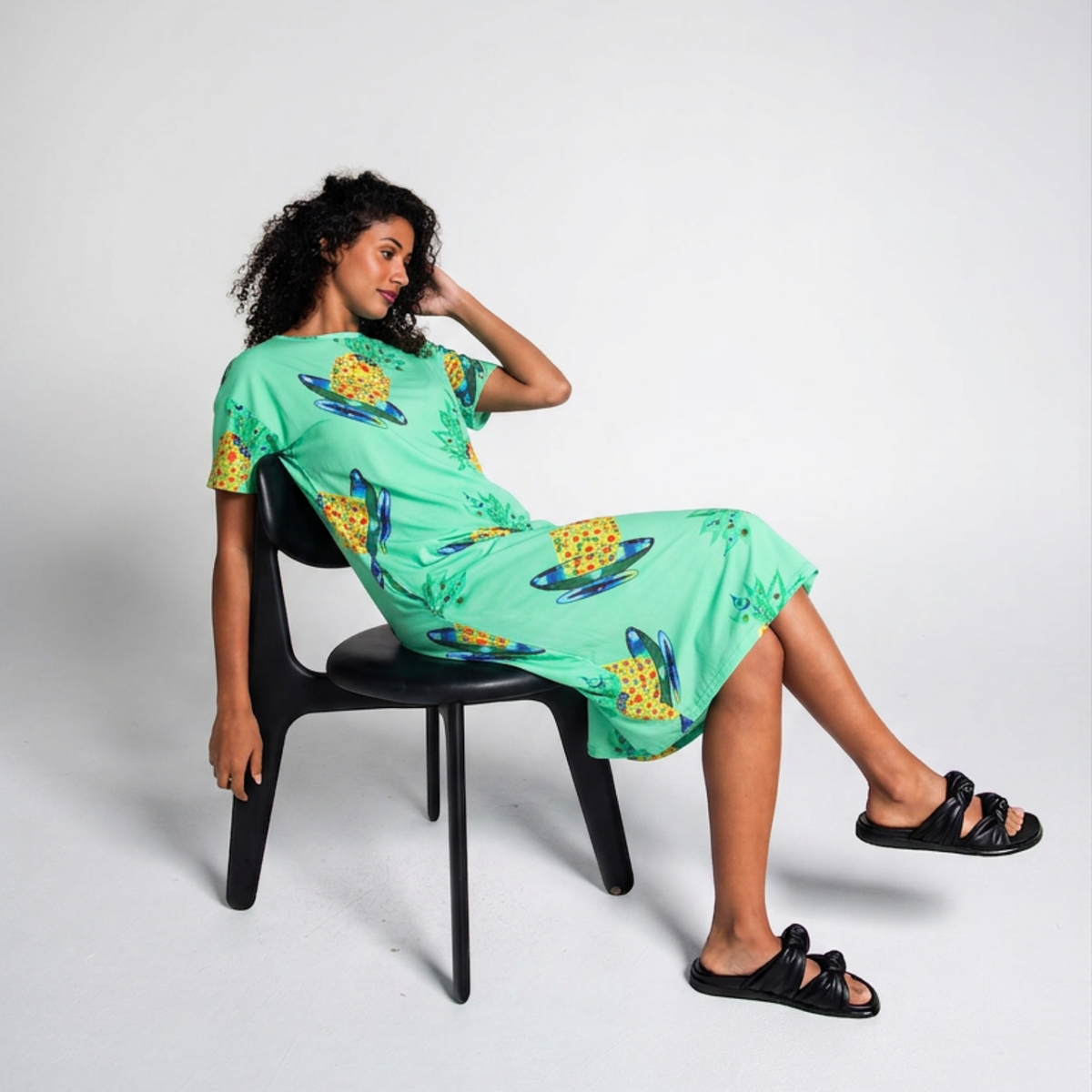
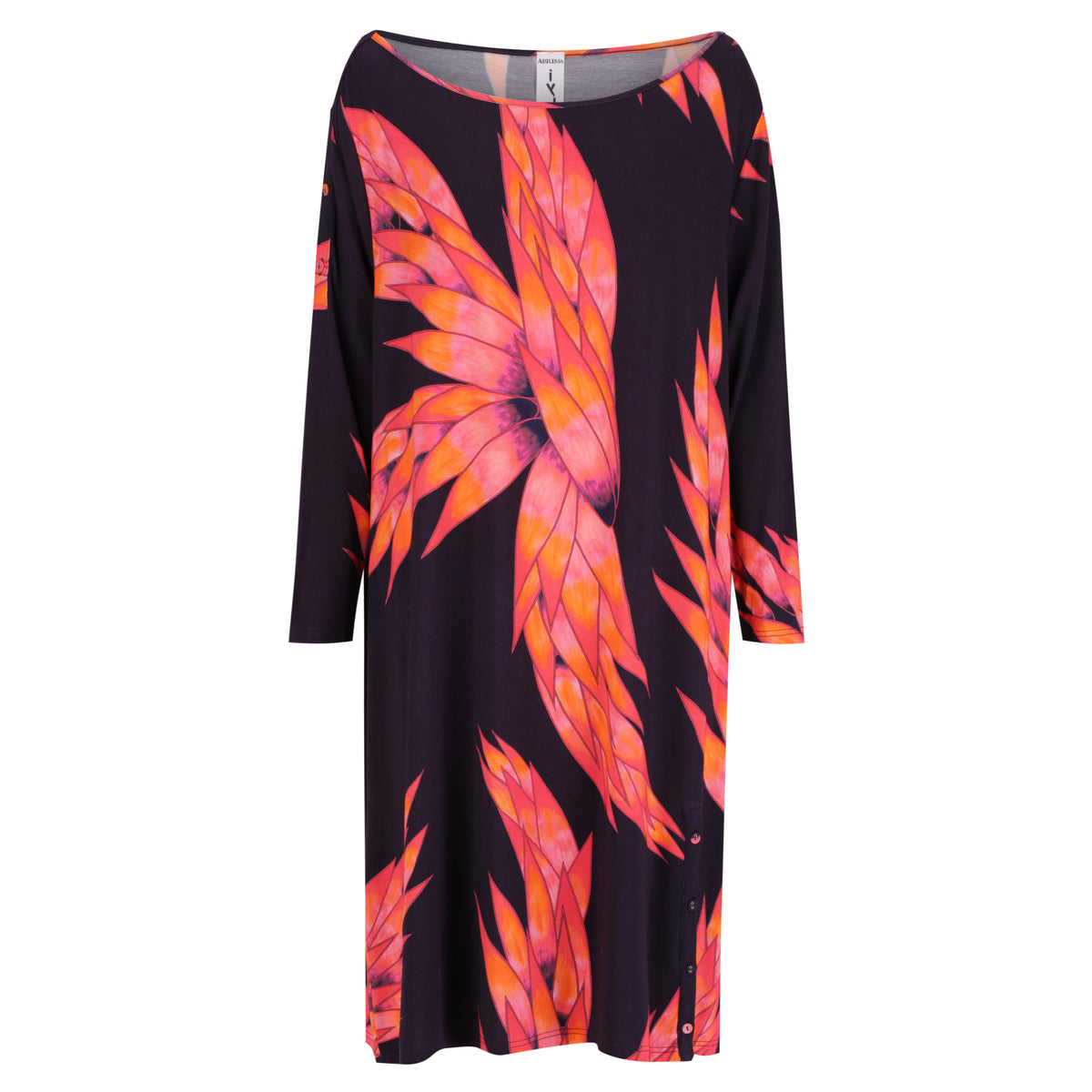
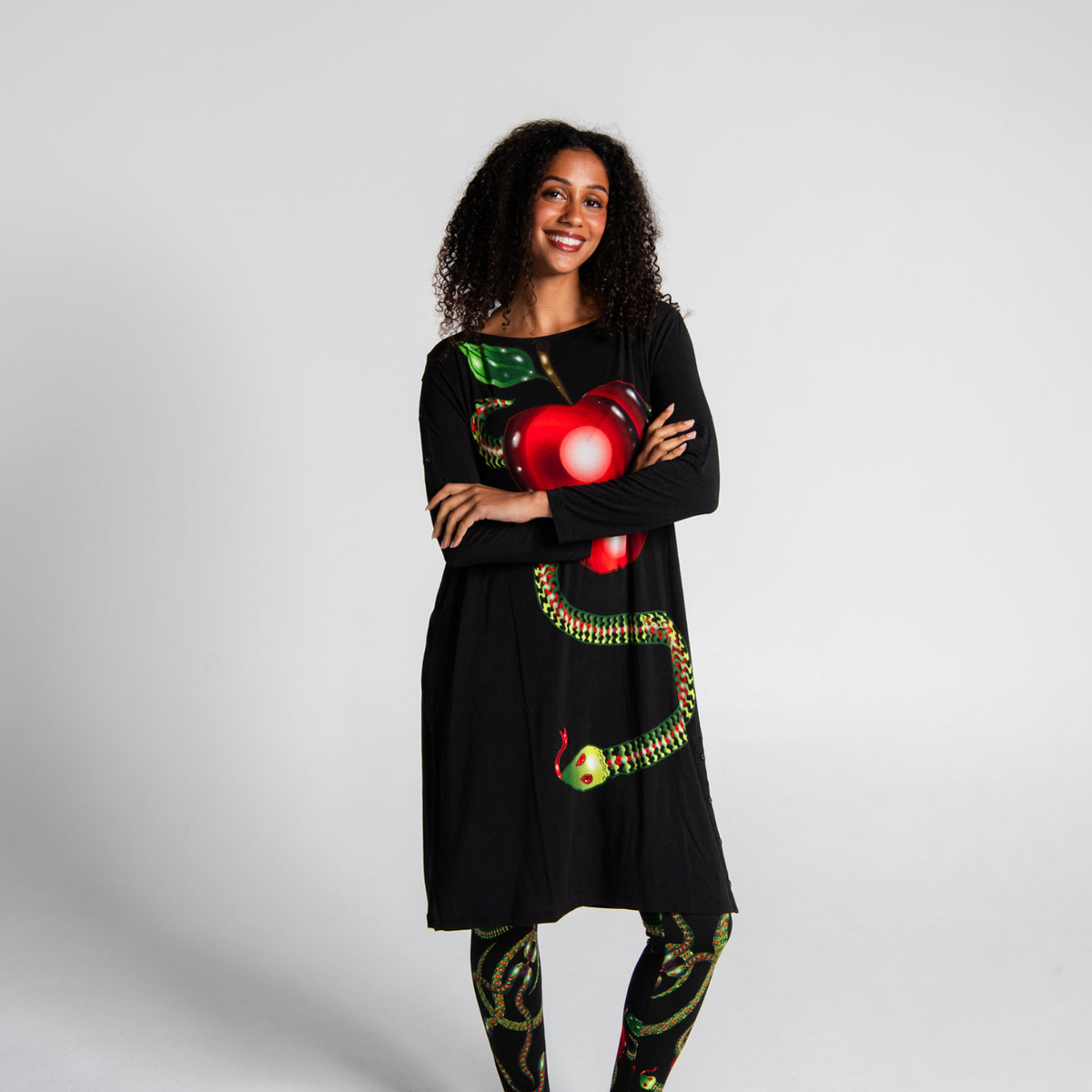
The result is the texture visible in every ALQUEMA piece: a fine, consistent pleating that catches and moves in light, compresses and recovers without damage, and gives the fabric its characteristic drape.
The technique is proprietary in the sense that it has been developed specifically for ALQUEMA's materials and purposes over decades. It is not the same as machine-pleated fabric. It is not the same as crinkle or crushed fabric. The distinction is in the method and the result.
Why the Technique Matters for How the Clothes Wear
Understanding the technique helps explain the practical properties of the fabric.
It doesn't crease. The pleating is the structure. Compressing it doesn't damage it. You can pack it in a suitcase, sit in it for hours, fold it in a drawer, and it returns to its original form. No ironing, no steaming.
It moves differently to other fabrics. The fine pleating means the fabric has natural movement that follows the body without being clingy. It responds to motion rather than imposing a fixed silhouette.
A fabric with structural pleating maintains its character over time. It is not a piece that peaks on first wear and diminishes from there.
Shibori in Contemporary Fashion
Shibori has become more widely used in fashion over the past decade, as the slow-fashion movement increased interest in hand-worked and artisan techniques. But most contemporary use of the term describes dyeing methods, particularly indigo resist-dyeing, rather than structural pleating.
The Shibori-inspired pleating technique that ALQUEMA uses is less common in fashion. It requires skilled hand labour, takes longer to produce than machine alternatives, and cannot be scaled in the way that industrial processes can. ALQUEMA has maintained the technique rather than finding a faster equivalent, because there isn't a faster equivalent that produces the same result.
Why Quality Matters in Womenswear
ALQUEMA has been operating for over 40 years. That is a long time for any fashion label, and a particularly long time for one that has not changed its core technique.
The longevity is partly explained by the fact that the technique produces pieces women return to. A woman who buys the Smash Dress or the Estrella Dress tends to buy it again, in a different print, in a different season. The fabric holds up. The silhouettes are refined over time rather than replaced. There is a consistency of quality that most fashion doesn't offer.
Craft produces something with a different relationship to time than production-line clothing does. It doesn't age the way trend-driven pieces do. It asks to be kept, worn again, and eventually handed on.
Frequently Asked Questions
What is Shibori?
Shibori is a Japanese textile manipulation technique involving folding, binding, compressing, or twisting fabric to create texture, pattern, and structure. The technique has been practised in Japan for over 500 years.
Is ALQUEMA fabric actually Shibori?
ALQUEMA uses a hand-pleating technique inspired by Shibori principles. It is not a direct reproduction of a traditional Japanese Shibori method but rather an adaptation developed over 40 years of working with the technique in the context of womenswear design.
Why doesn't ALQUEMA fabric crease?
The hand-pleating creates a permanent structural configuration in the fabric. Compressing or folding the fabric doesn't damage this structure. It returns to its original state after being packed or worn.
How is hand-pleated fabric different from crinkle fabric?
Crinkle fabric typically refers to fabric that has been chemically or thermally treated to produce a casual, irregular texture. Hand-pleated Shibori-inspired fabric is structurally worked by hand, producing a finer, more consistent pleating with different movement and drape properties.
Where is ALQUEMA designed?
ALQUEMA is designed in Sydney, Australia. The label was founded over 40 years ago and has remained based in Sydney throughout.





















Leave a comment
This site is protected by hCaptcha and the hCaptcha Privacy Policy and Terms of Service apply.