



Article: Shibori and the Story Behind Every ALQUEMA Piece
Shibori and the Story Behind Every ALQUEMA Piece
ALQUEMA's signature fabric doesn't come from a machine. It starts with a traditional Japanese technique called Shibori, which the label has spent more than 40 years adapting into something specific to ALQUEMA alone.
Shibori: A Brief History
Shibori is a Japanese word for a range of manual textile manipulation techniques. The term comes from the verb shiboru, meaning to wring, squeeze, or press. Folding, binding, compressing, twisting, or stitching fabric before treating it creates patterns, texture, and structure that flat printing or weaving alone can't produce.
Different Shibori techniques produce different results. Itajime Shibori clamps fabric between shaped boards to leave geometric resist patterns. With Arashi Shibori, the fabric wraps around a pole and binds under tension, producing diagonal pleats. Kumo Shibori binds and pleats fabric into a distinctive, gathered texture. Each technique controls compression in its own way, and no two pieces come out exactly alike.
What Makes Shibori Different from Other Textile Techniques
Machine printing lays a pattern on top of fabric. Machine weaving builds structure by interlocking threads. Shibori starts from fabric that already exists and reworks it from the outside in.
The texture is three-dimensional, not flat. Where a pattern exists, the fabric's own structure produces it, not ink or dye sitting on the surface. The fabric remembers how someone worked it.
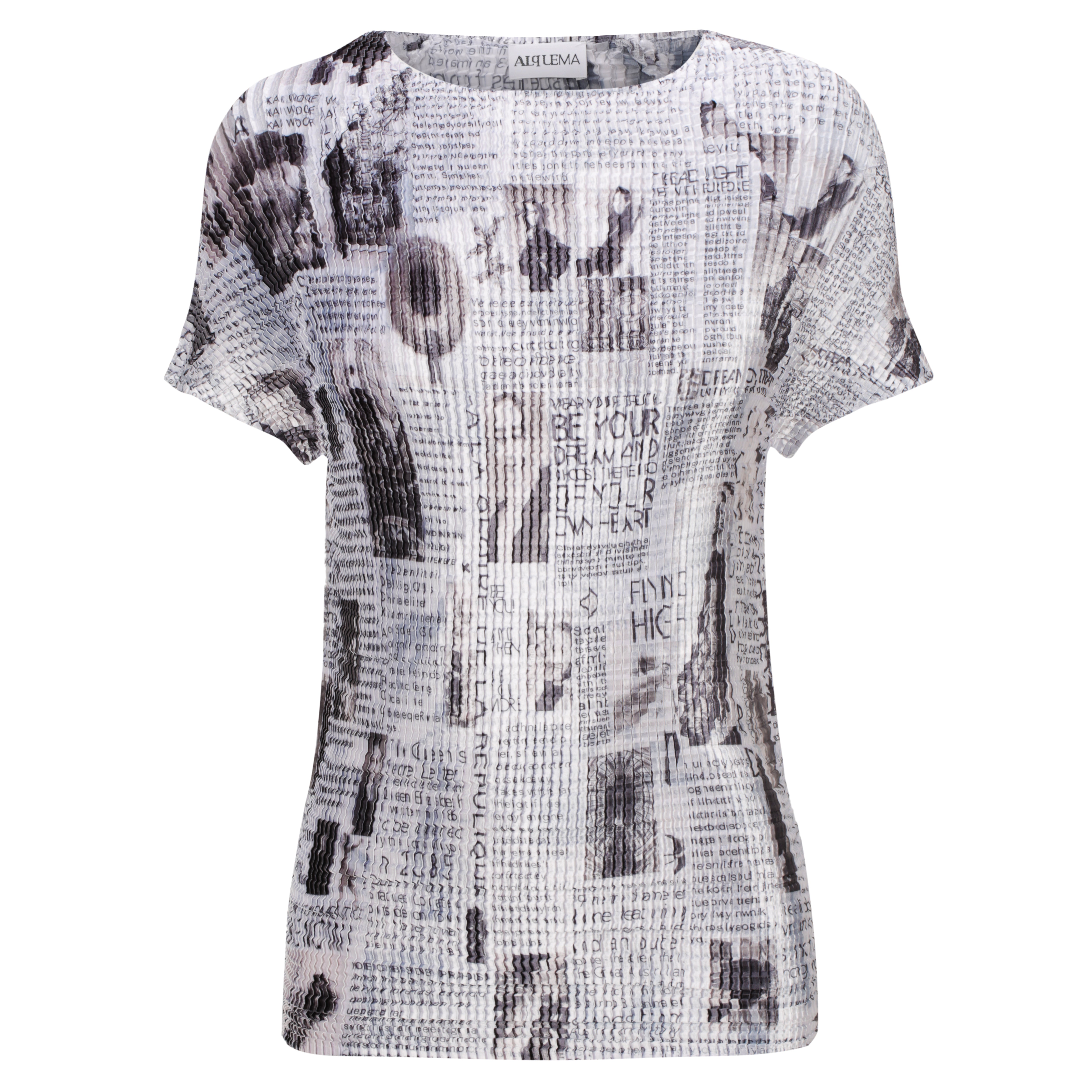
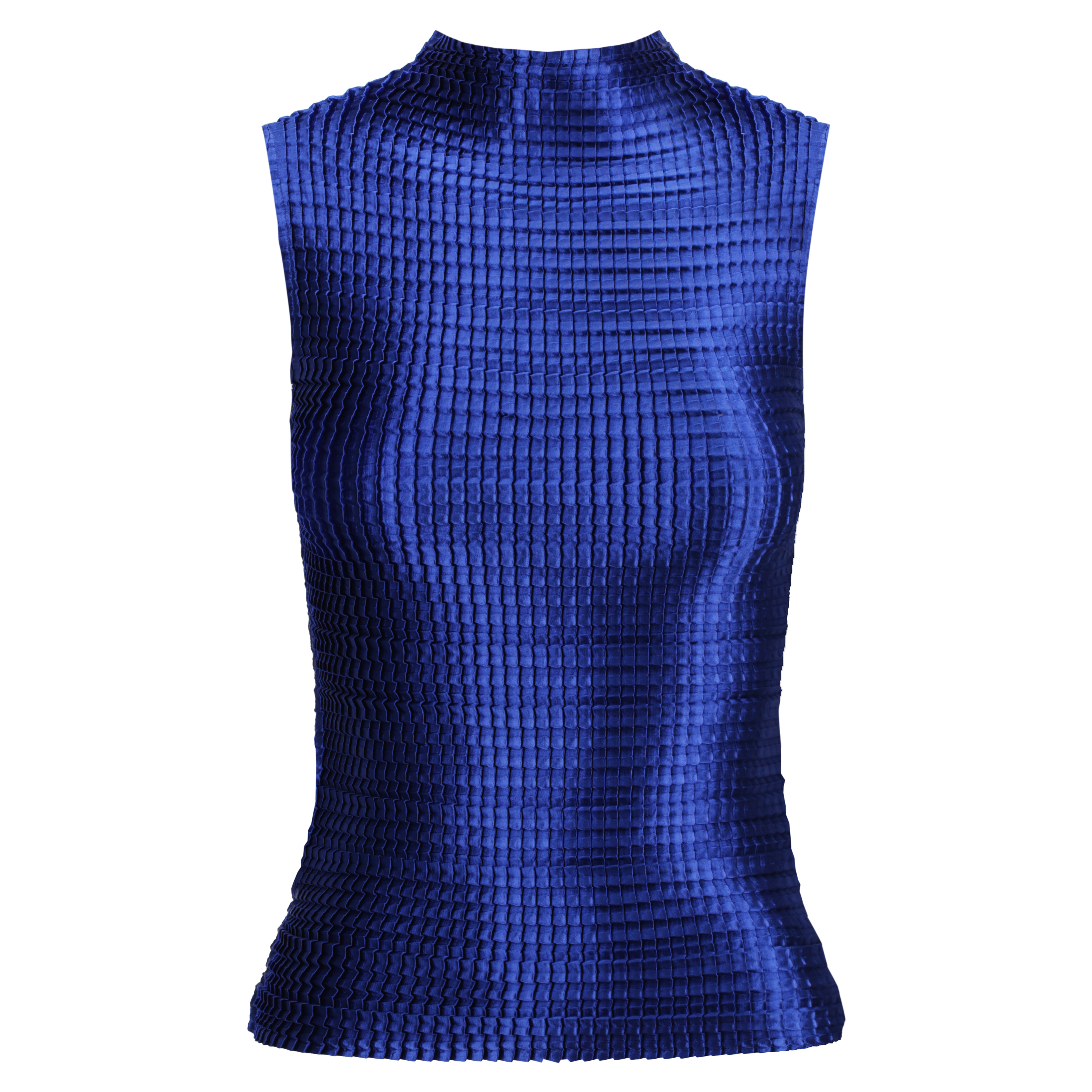
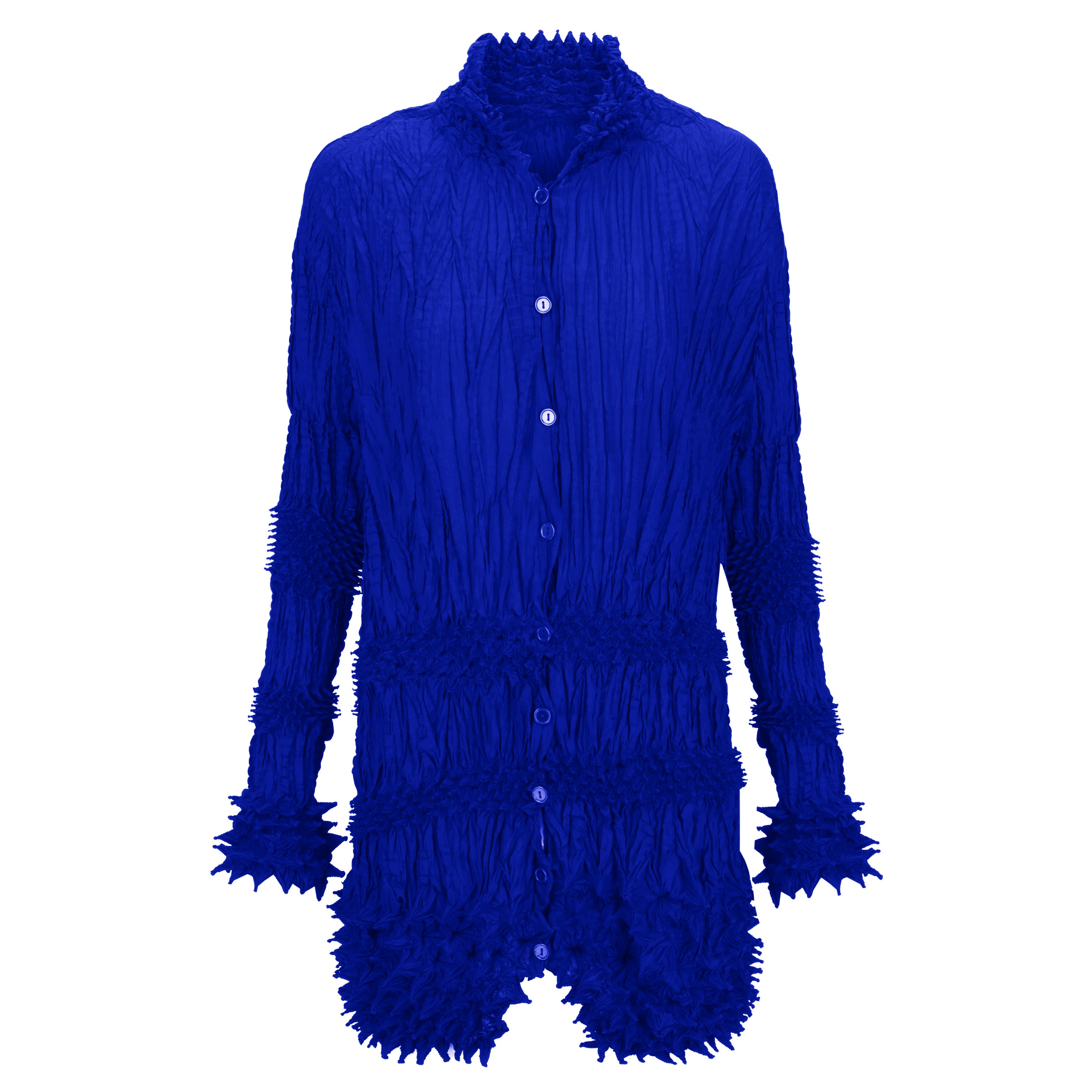
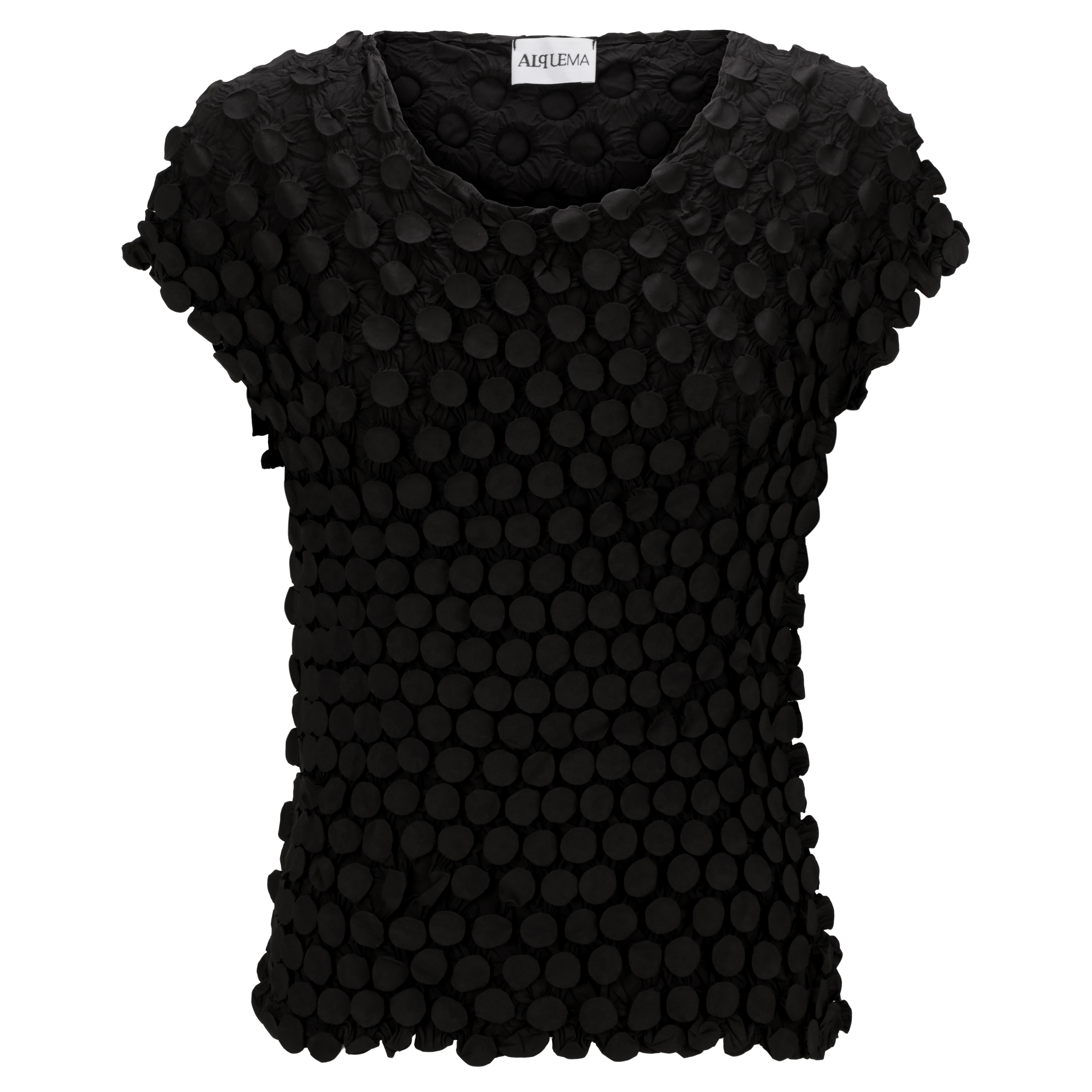
Shibori-inspired hand pleating leaves fabric permanently structured. The pleats aren't pressed in, waiting to relax back out. They're built into the fabric itself, which is why ALQUEMA's pieces don't crease the way other fabrics do. The structure is already there. It returns to its original state after compression.

How ALQUEMA Adapted the Technique
ALQUEMA began in Sydney over 40 years ago. The label's signature technique is hand-pleating inspired by Shibori, applied to the fabric that becomes each piece's body.
Someone pleats each piece by hand, before the garment is cut and sewn, so the fabric's structure runs through the finished piece rather than sitting on top as a finishing treatment.
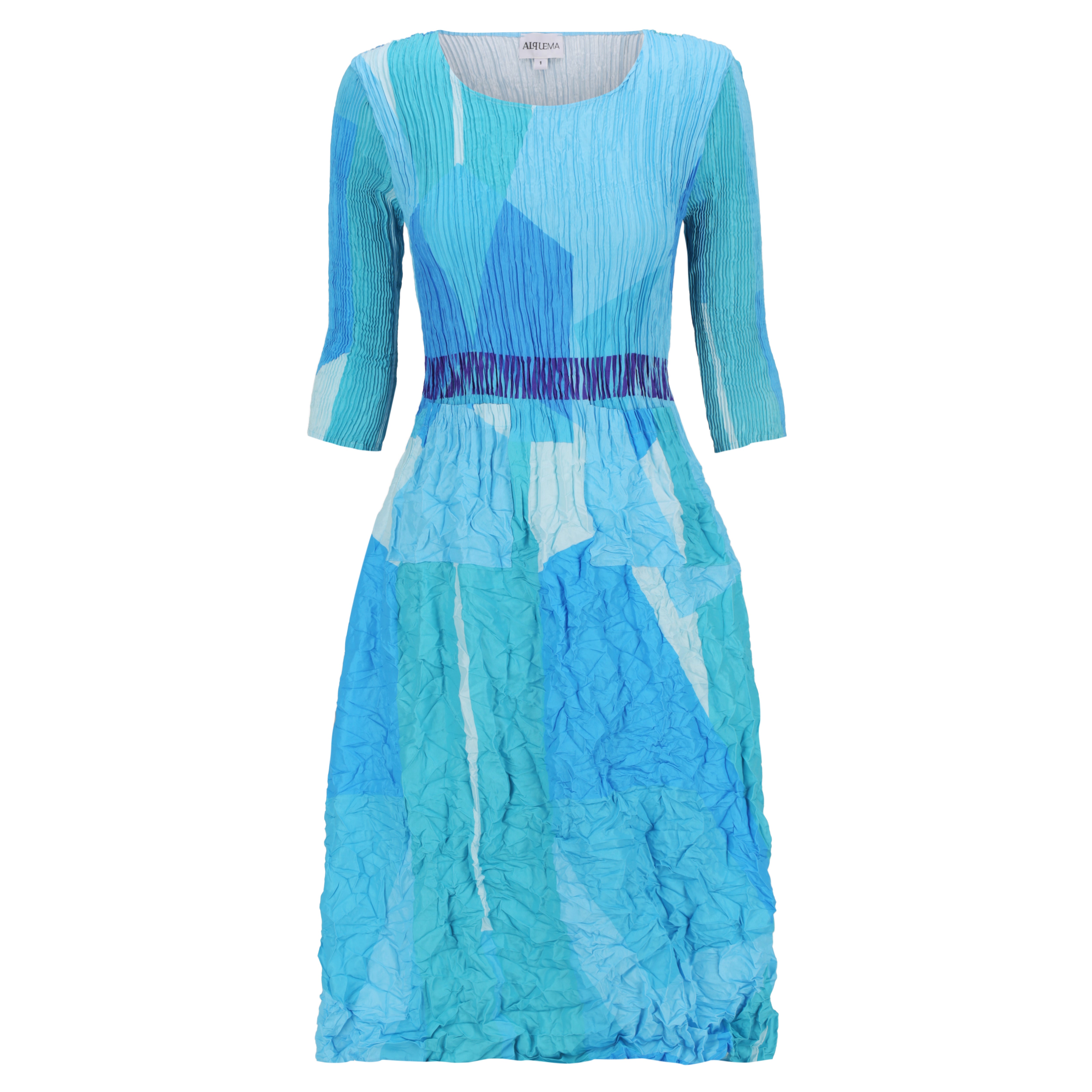
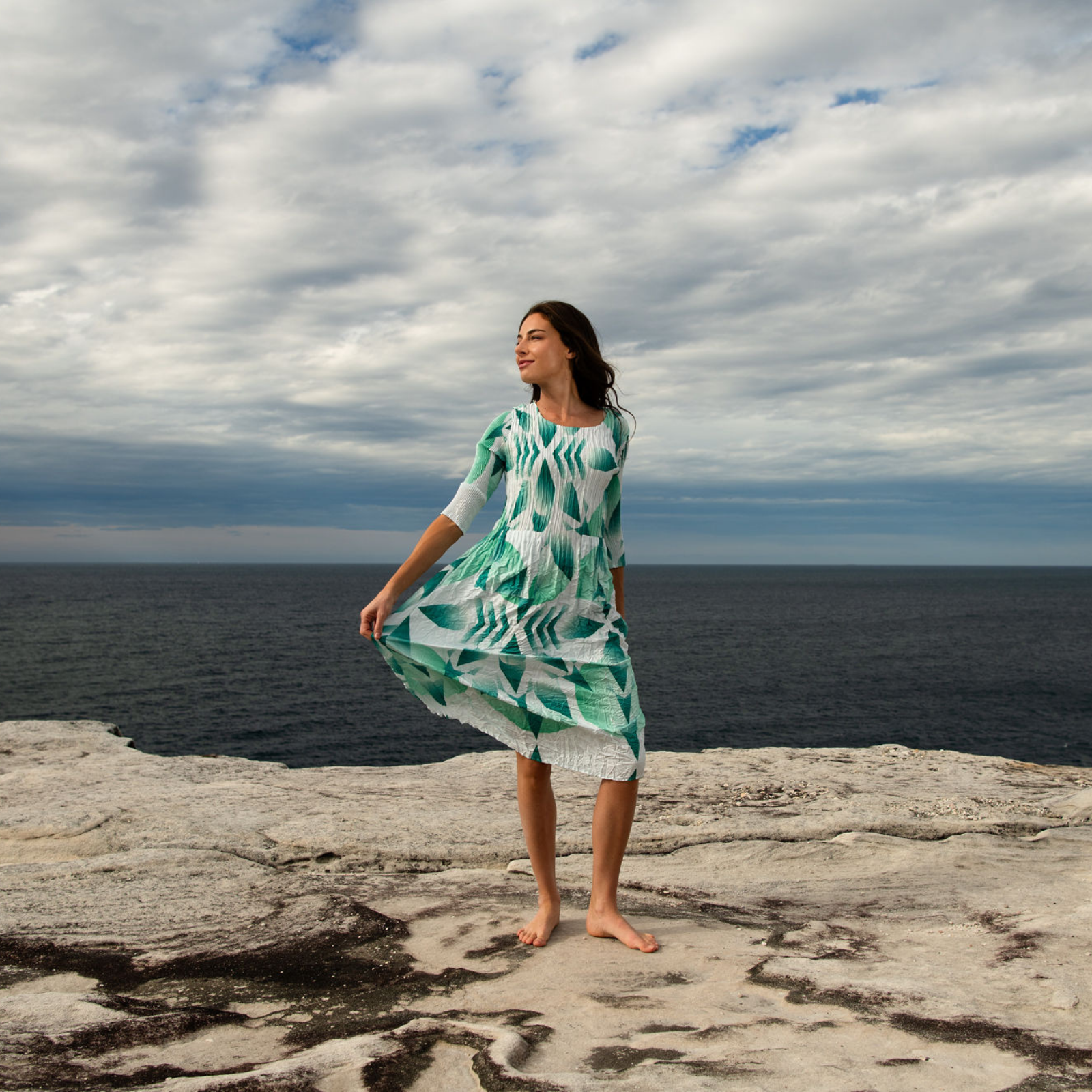
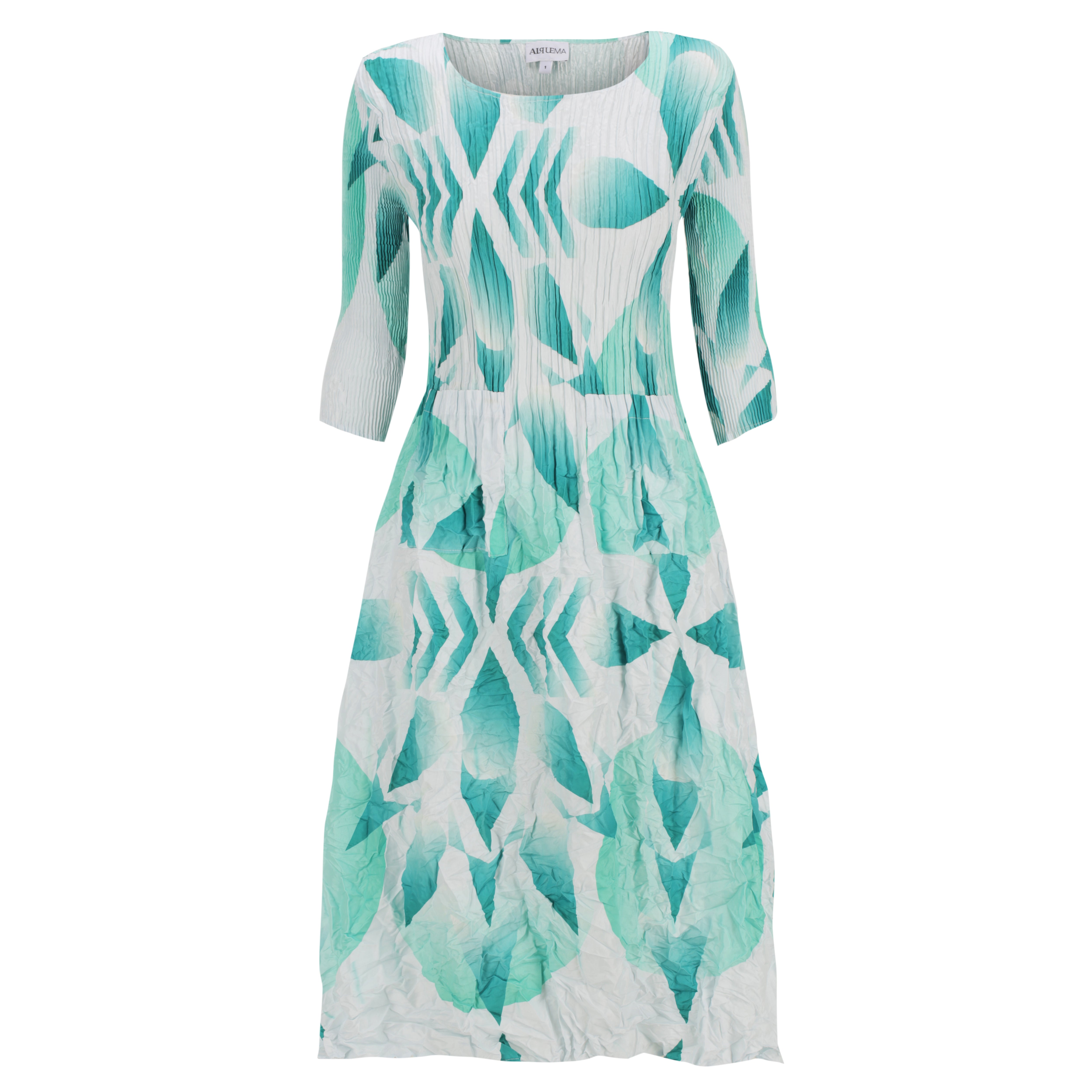
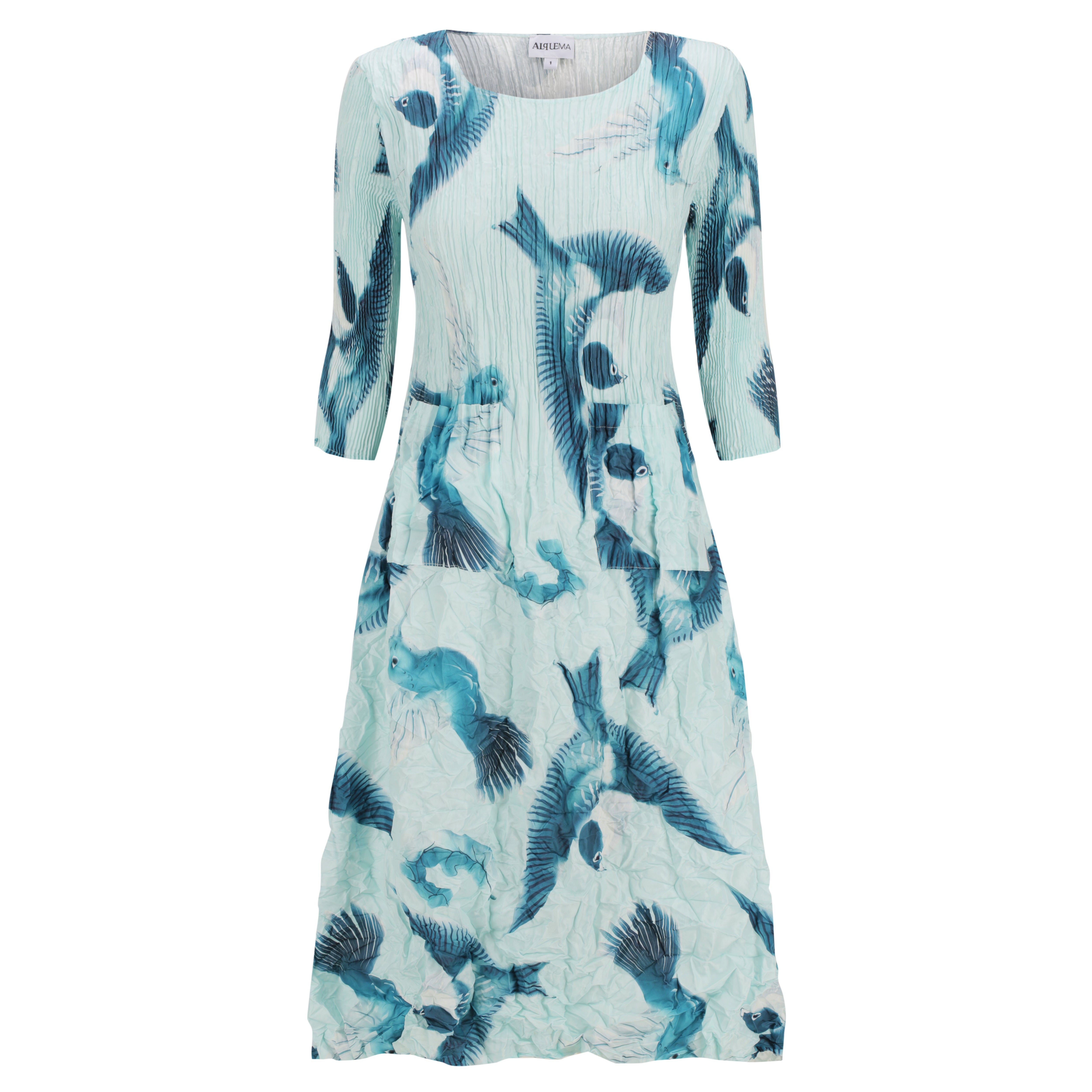
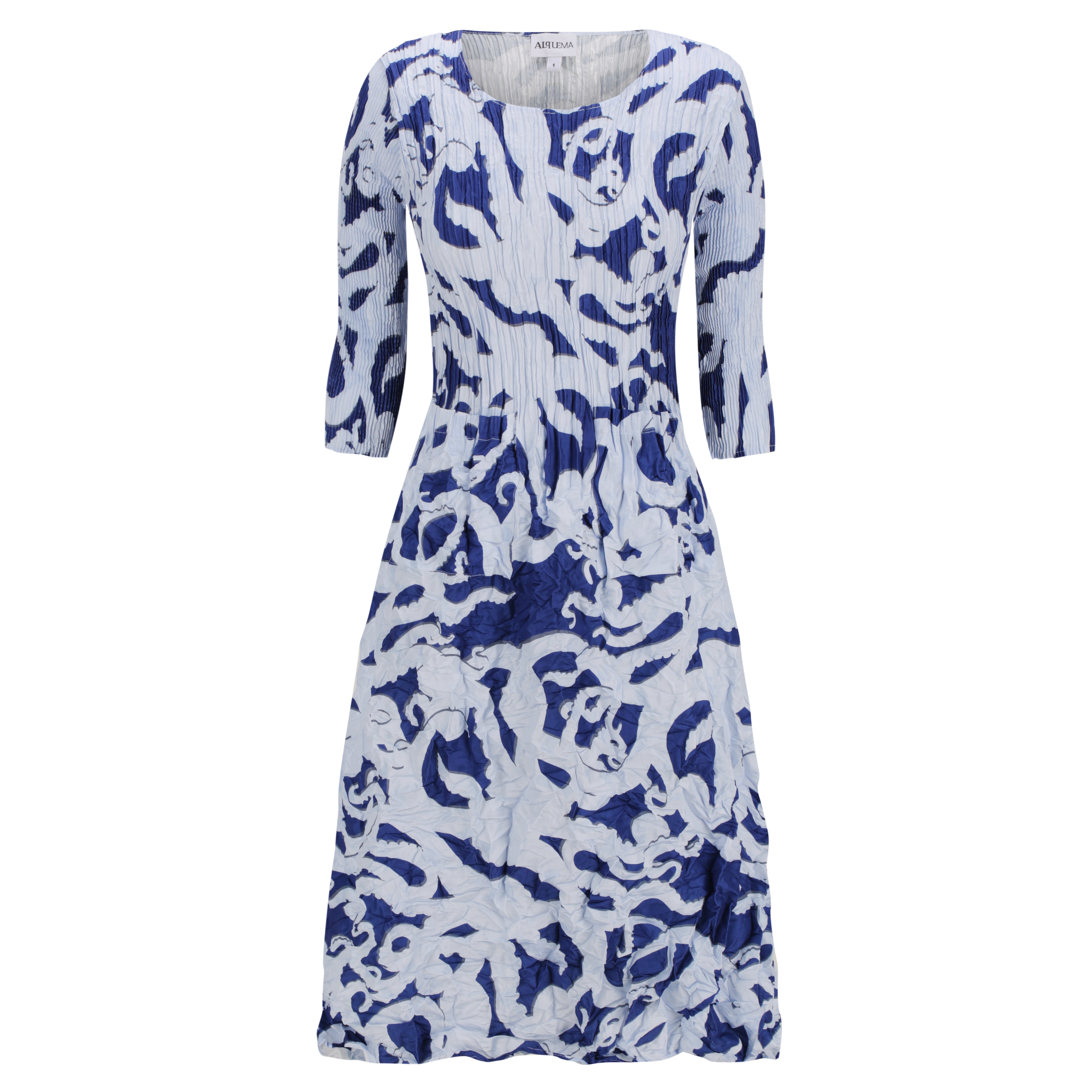
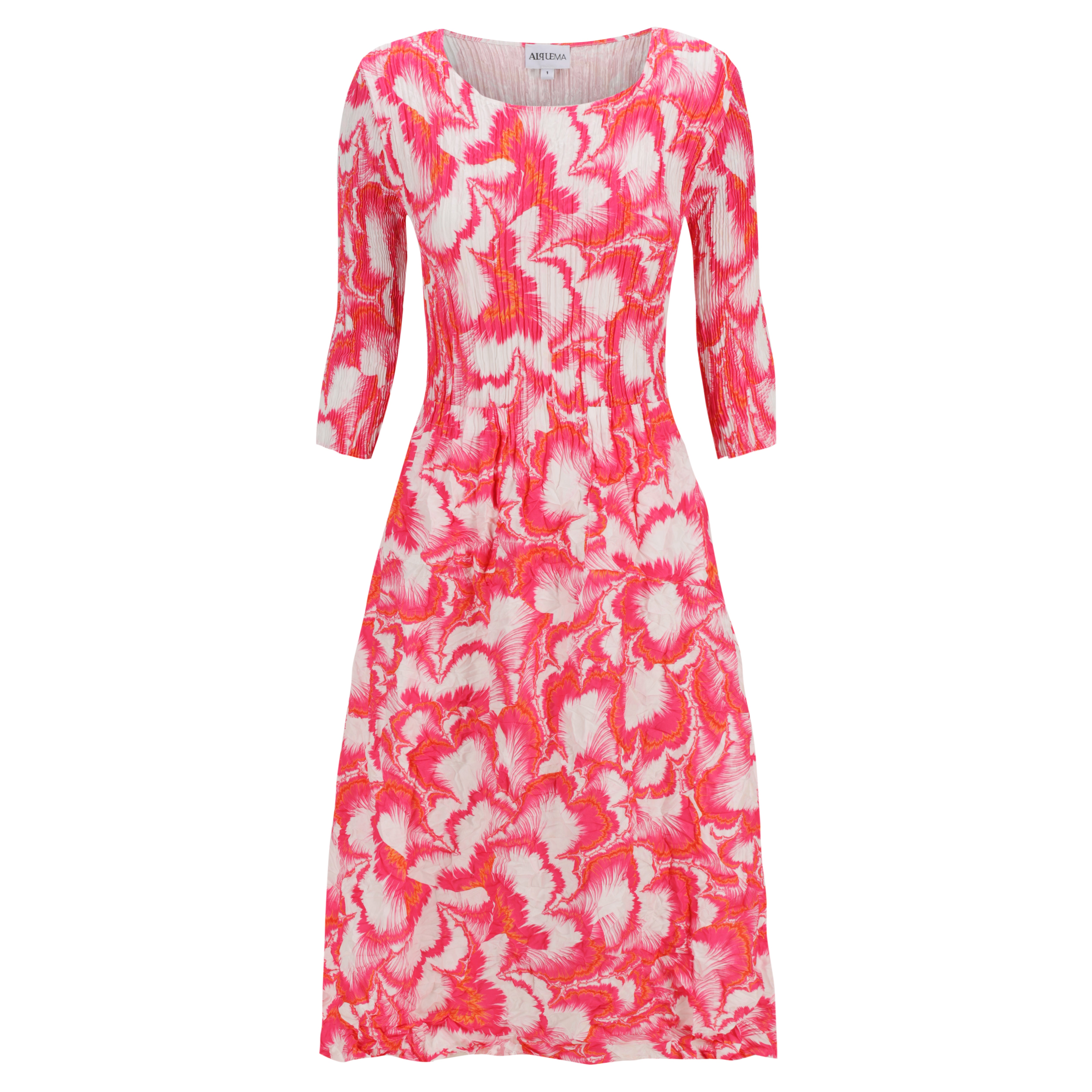
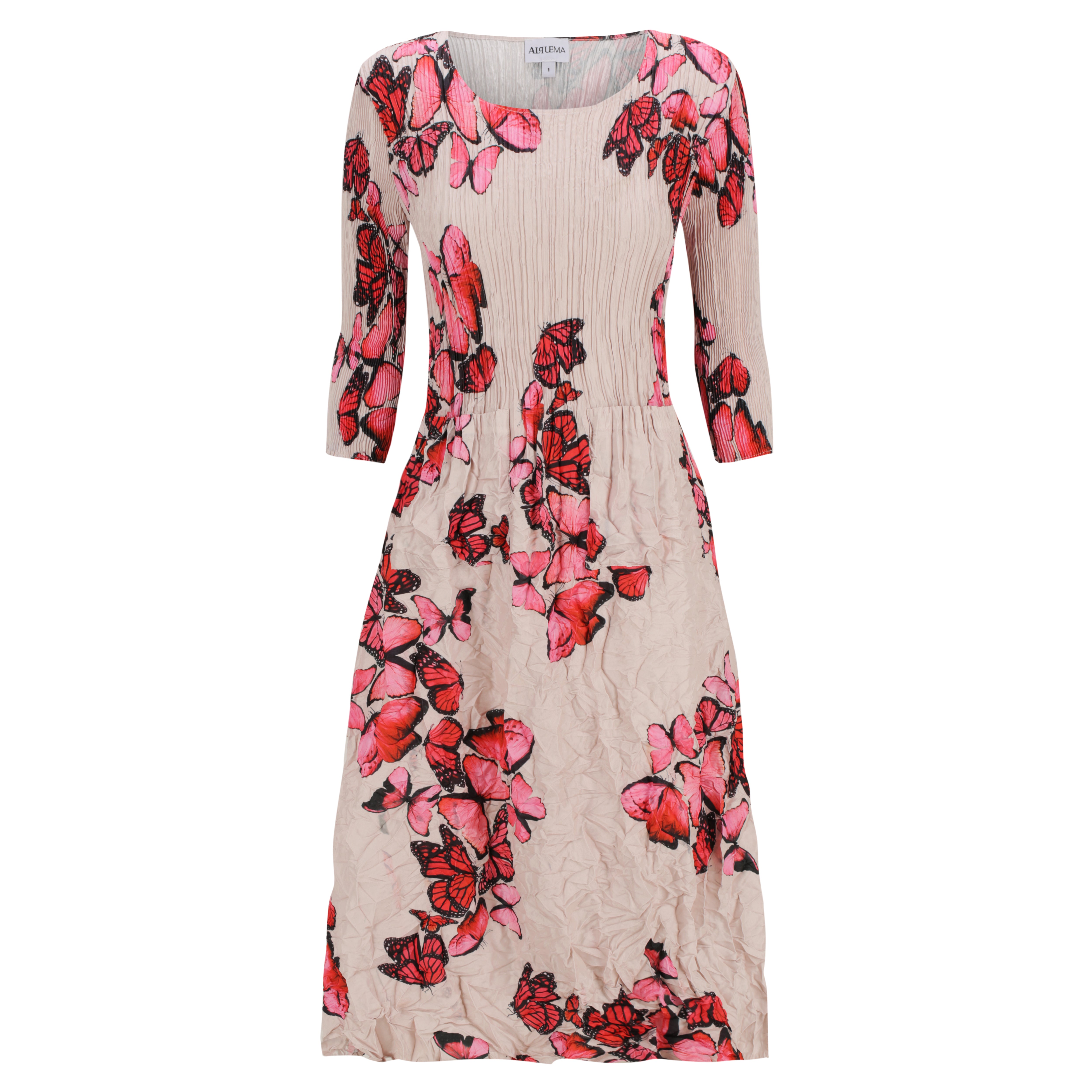
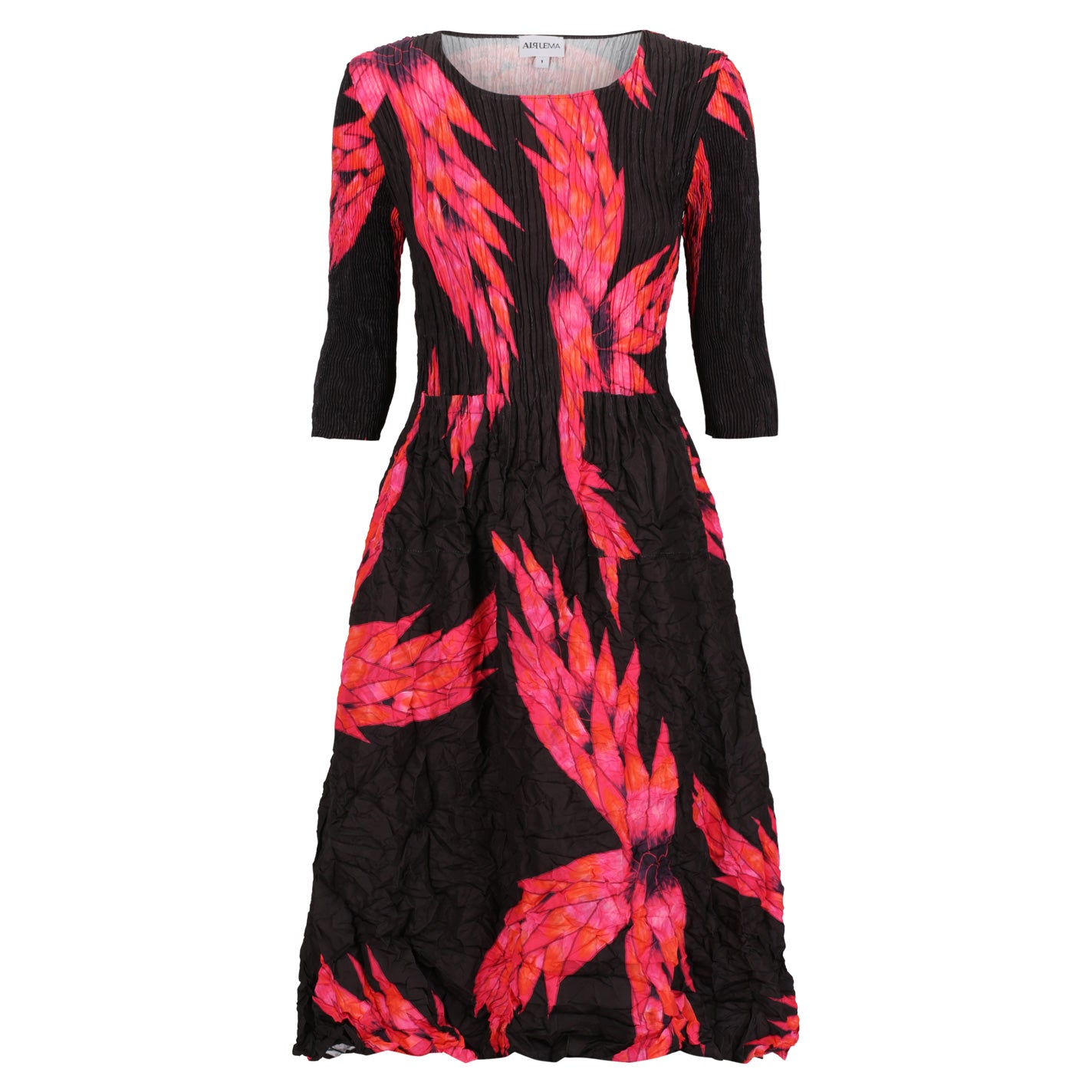
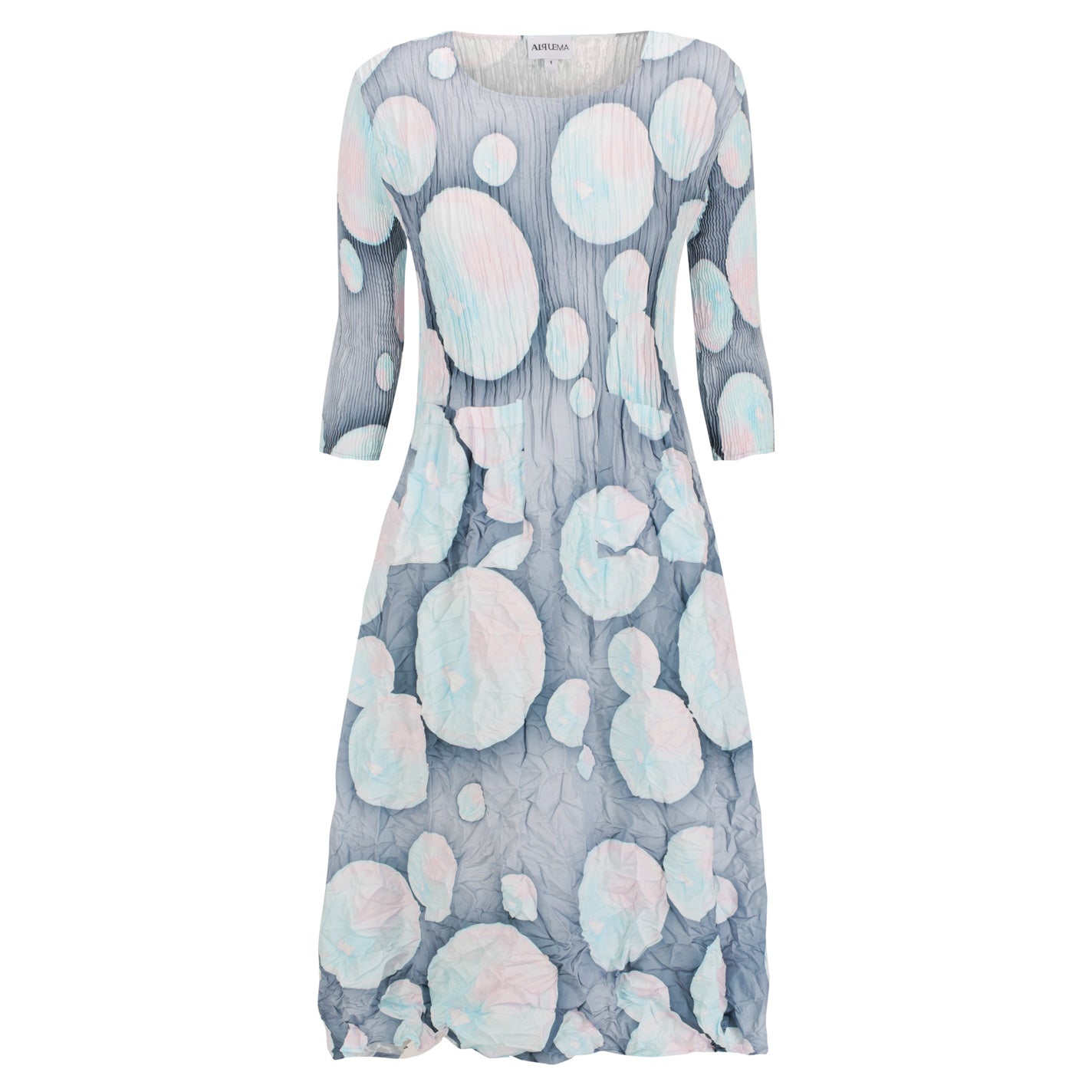
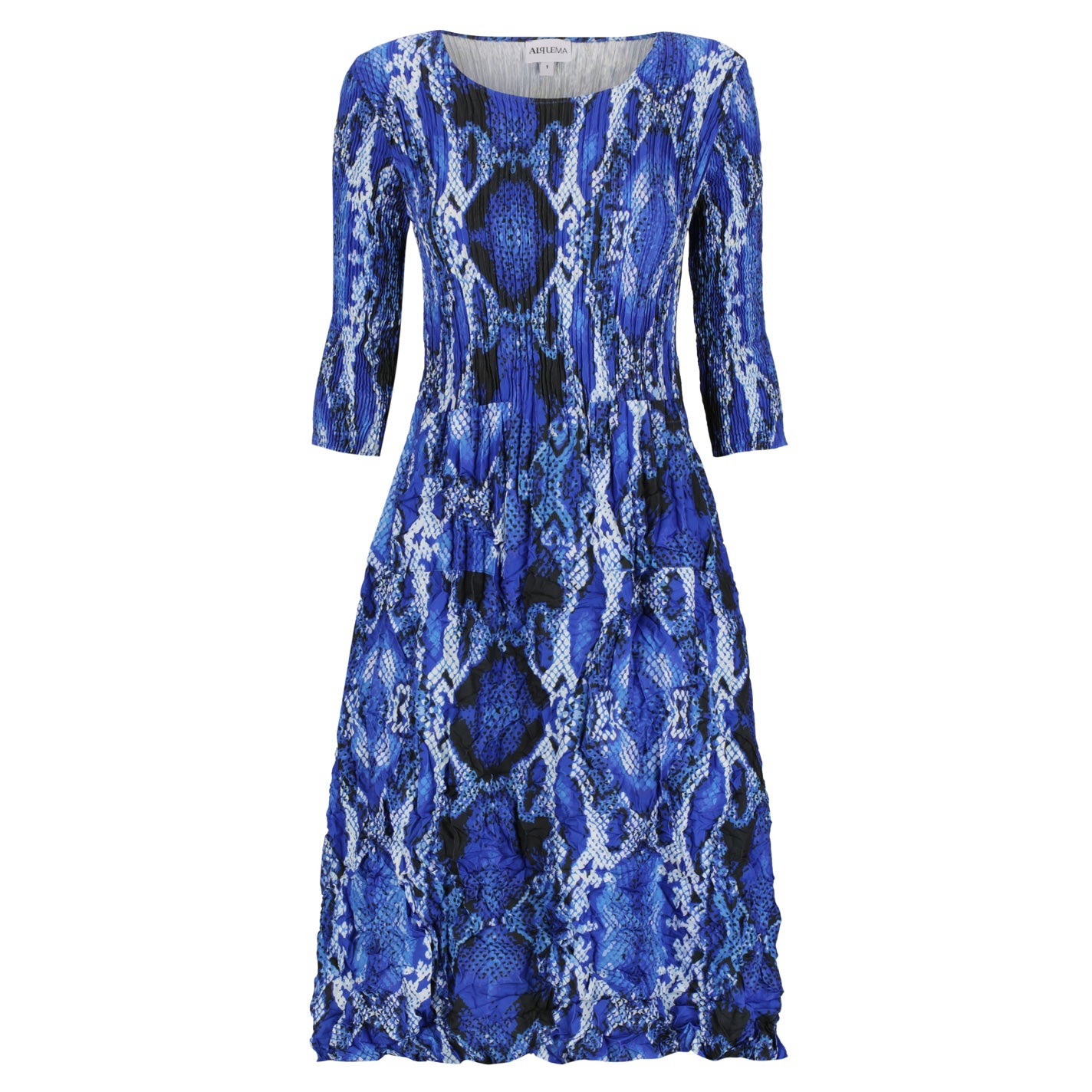
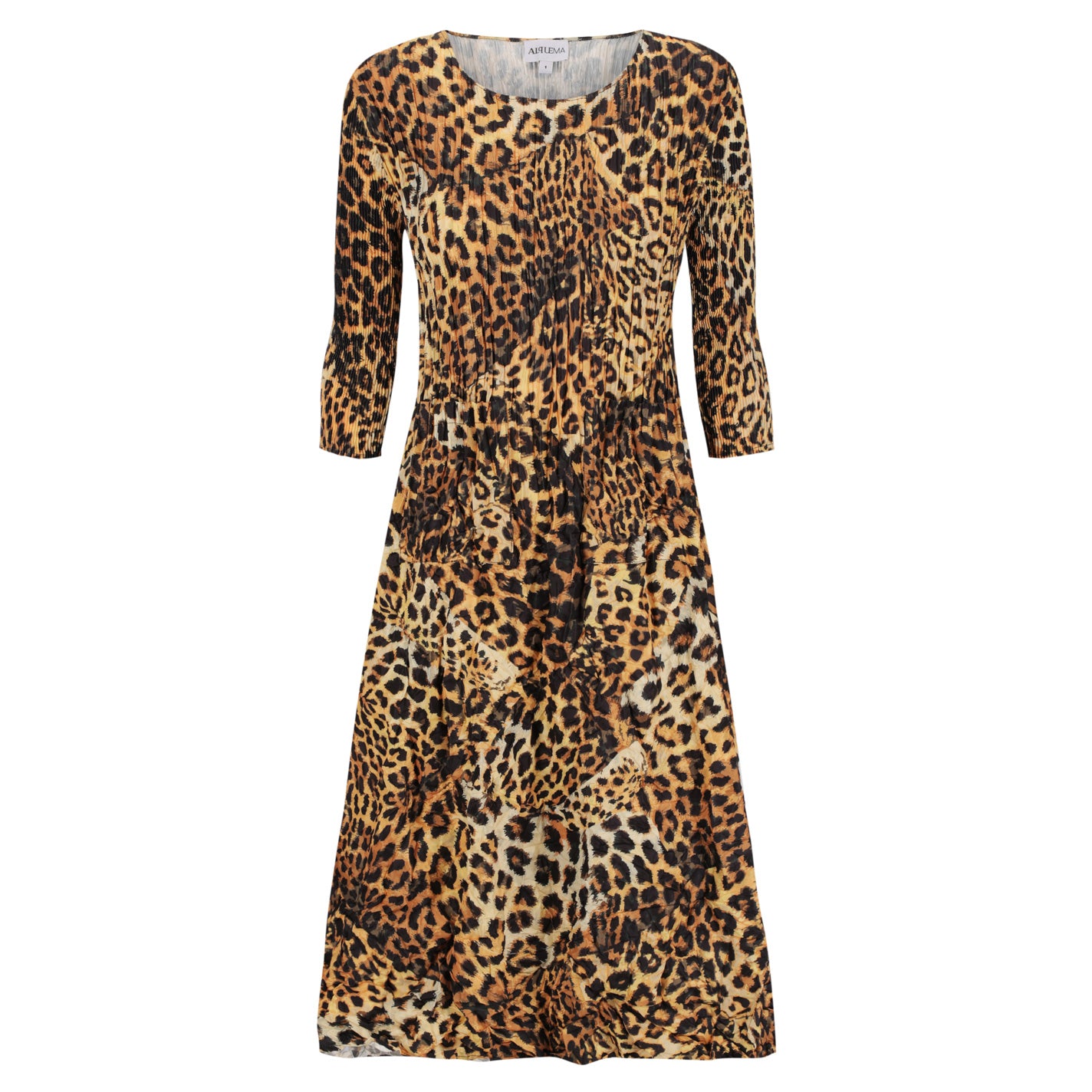
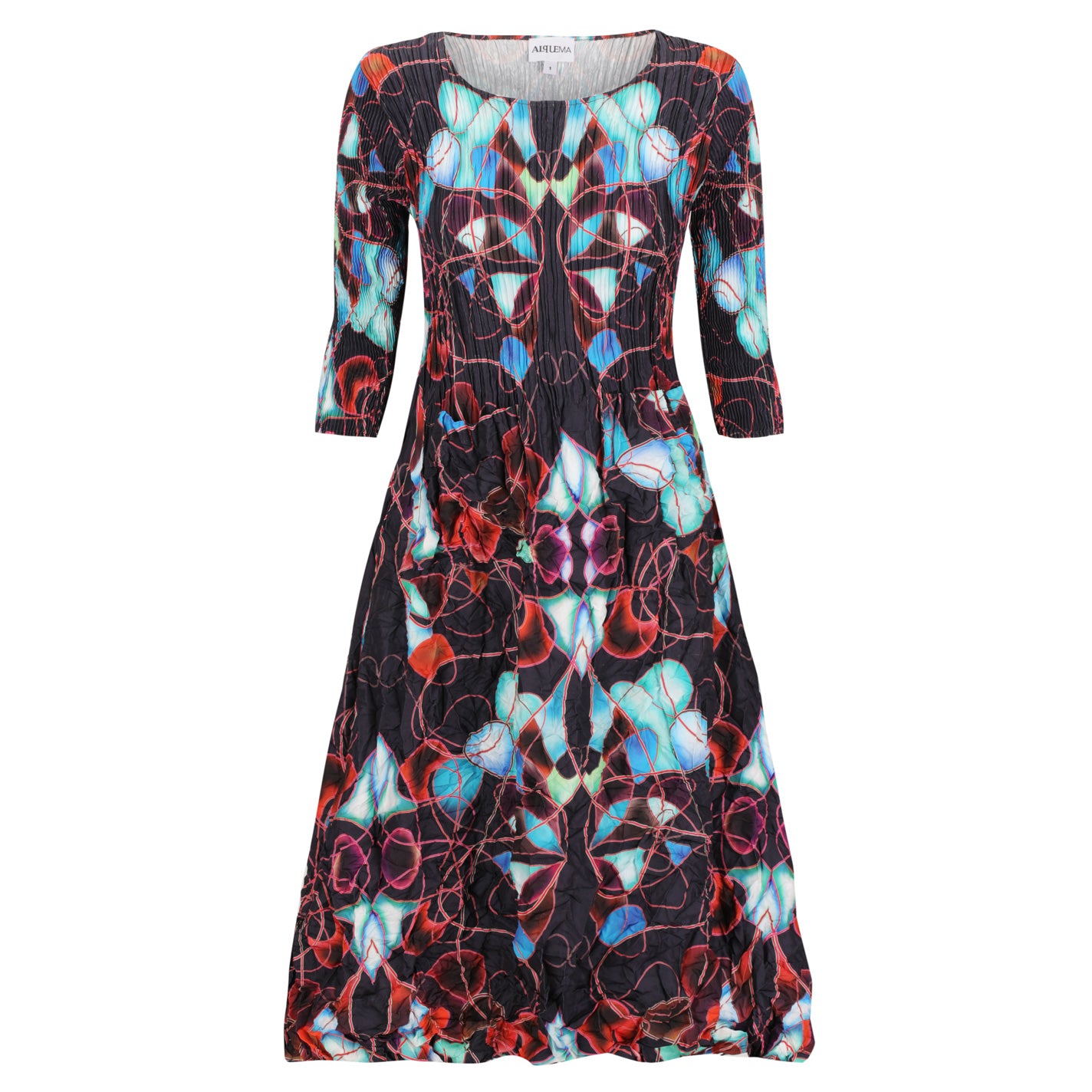
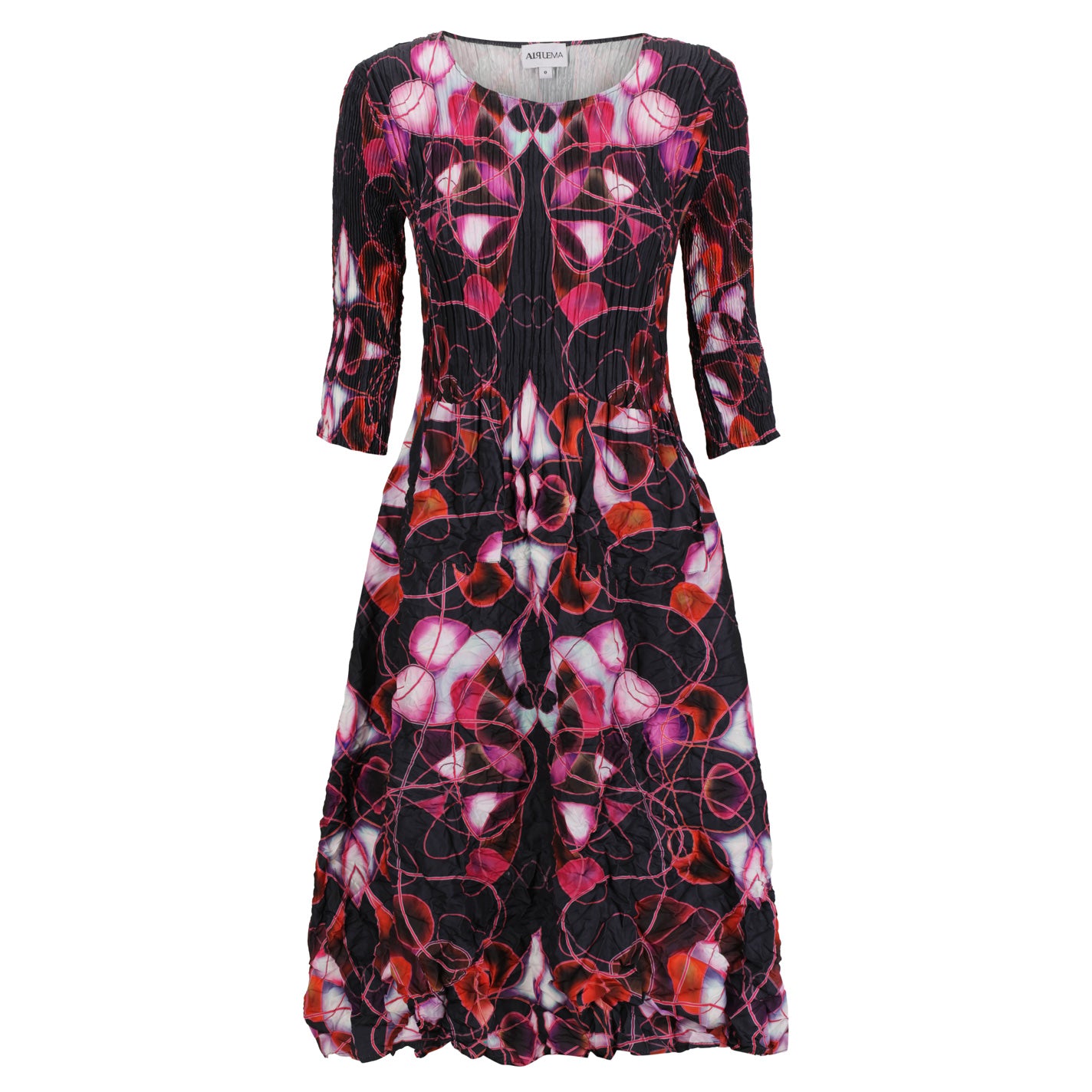
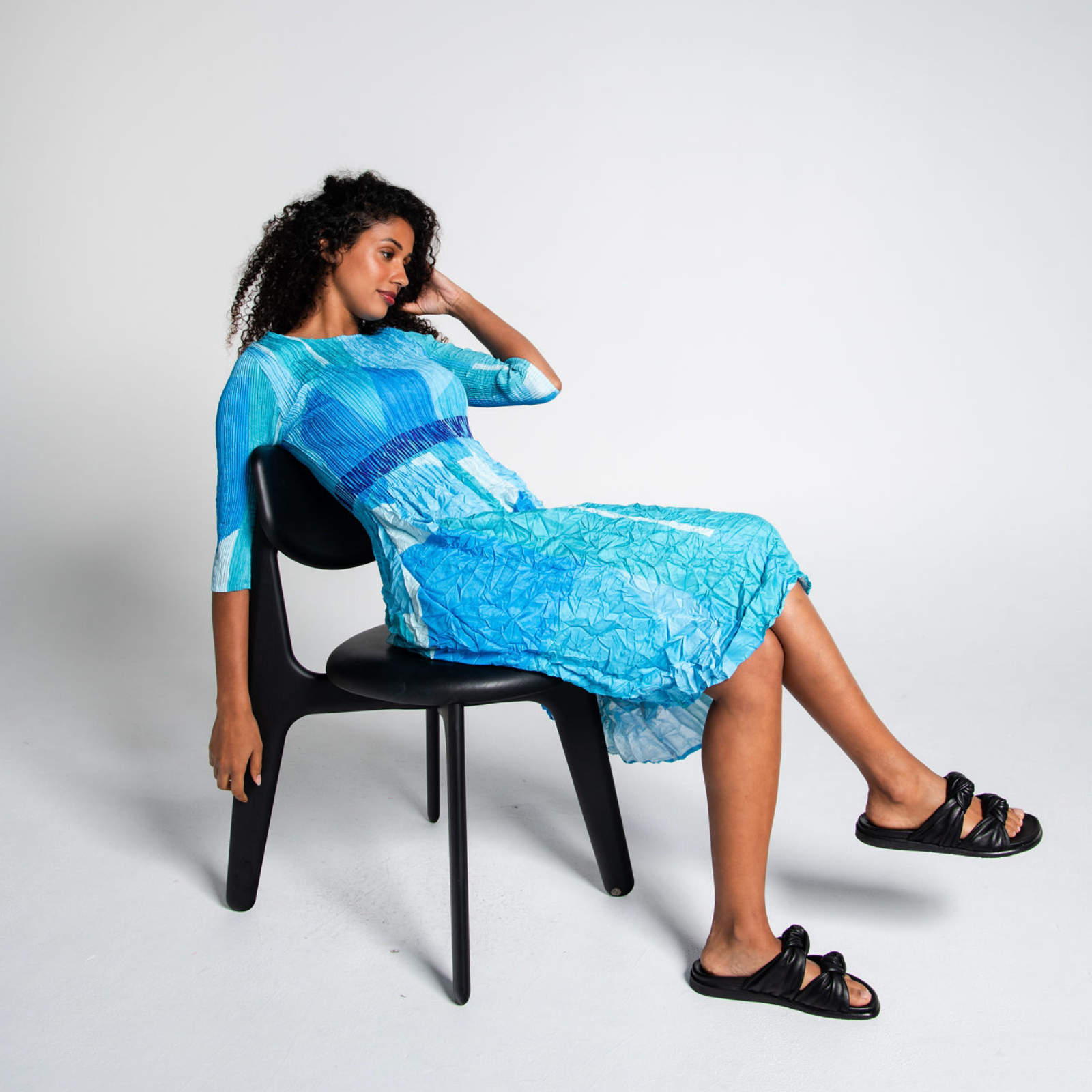
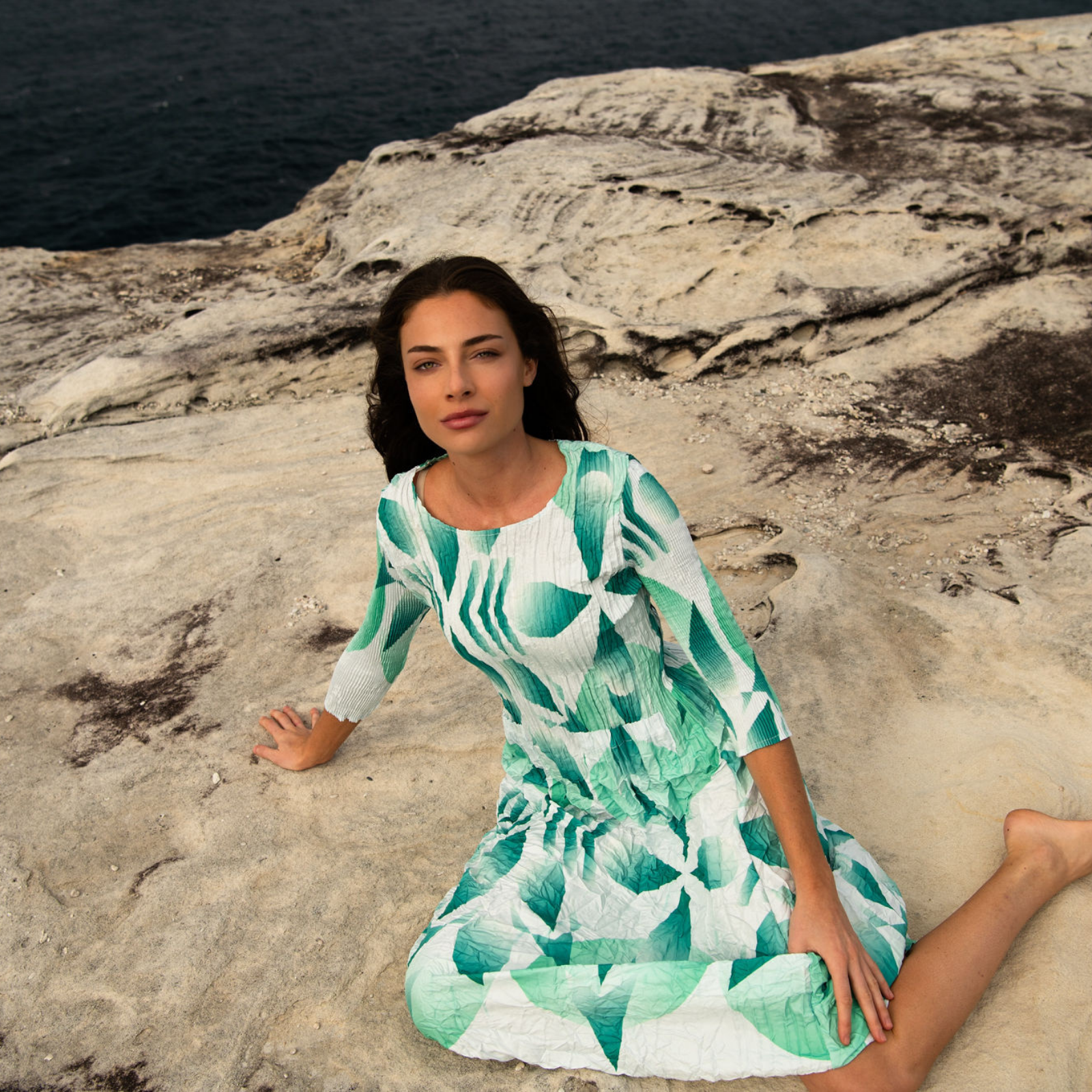
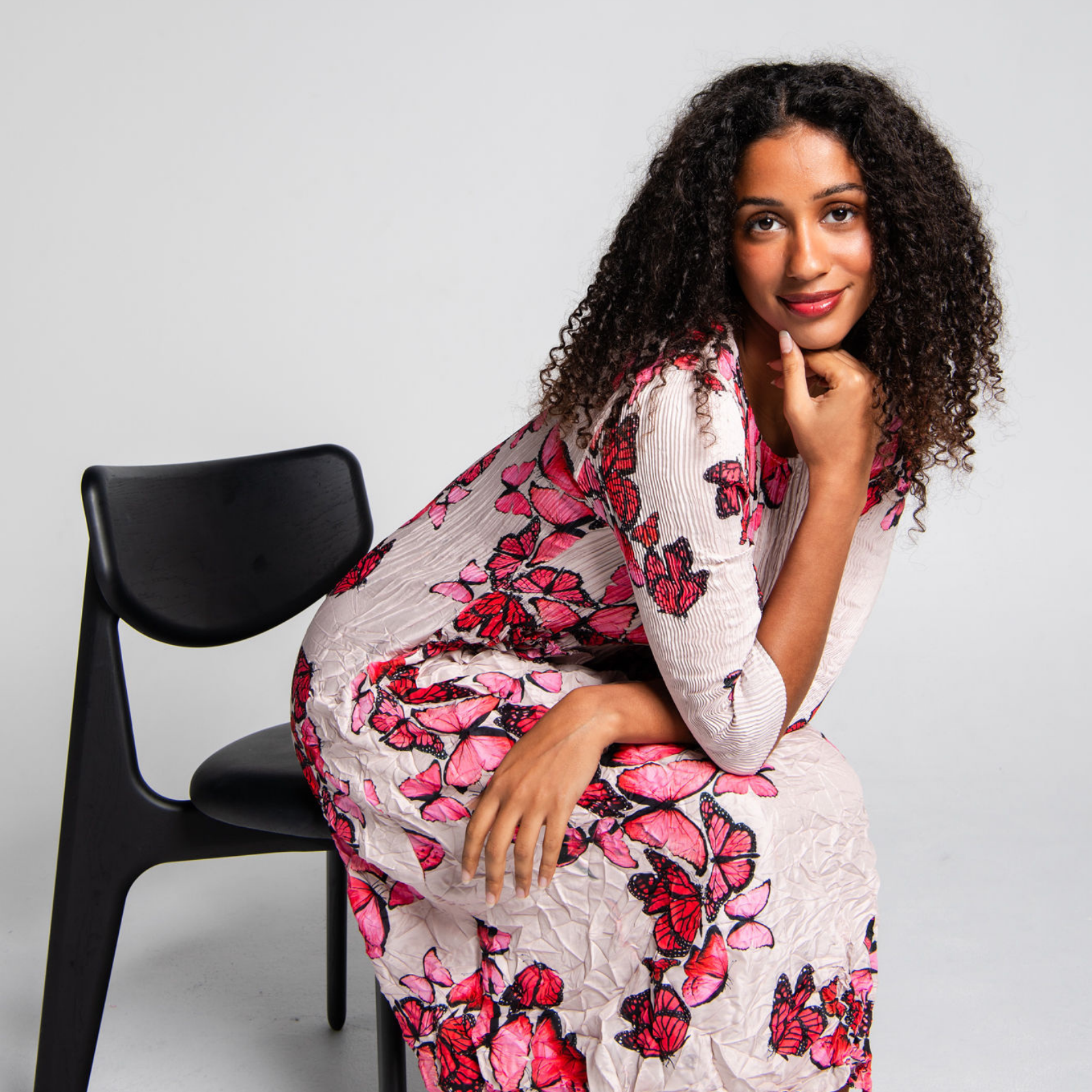
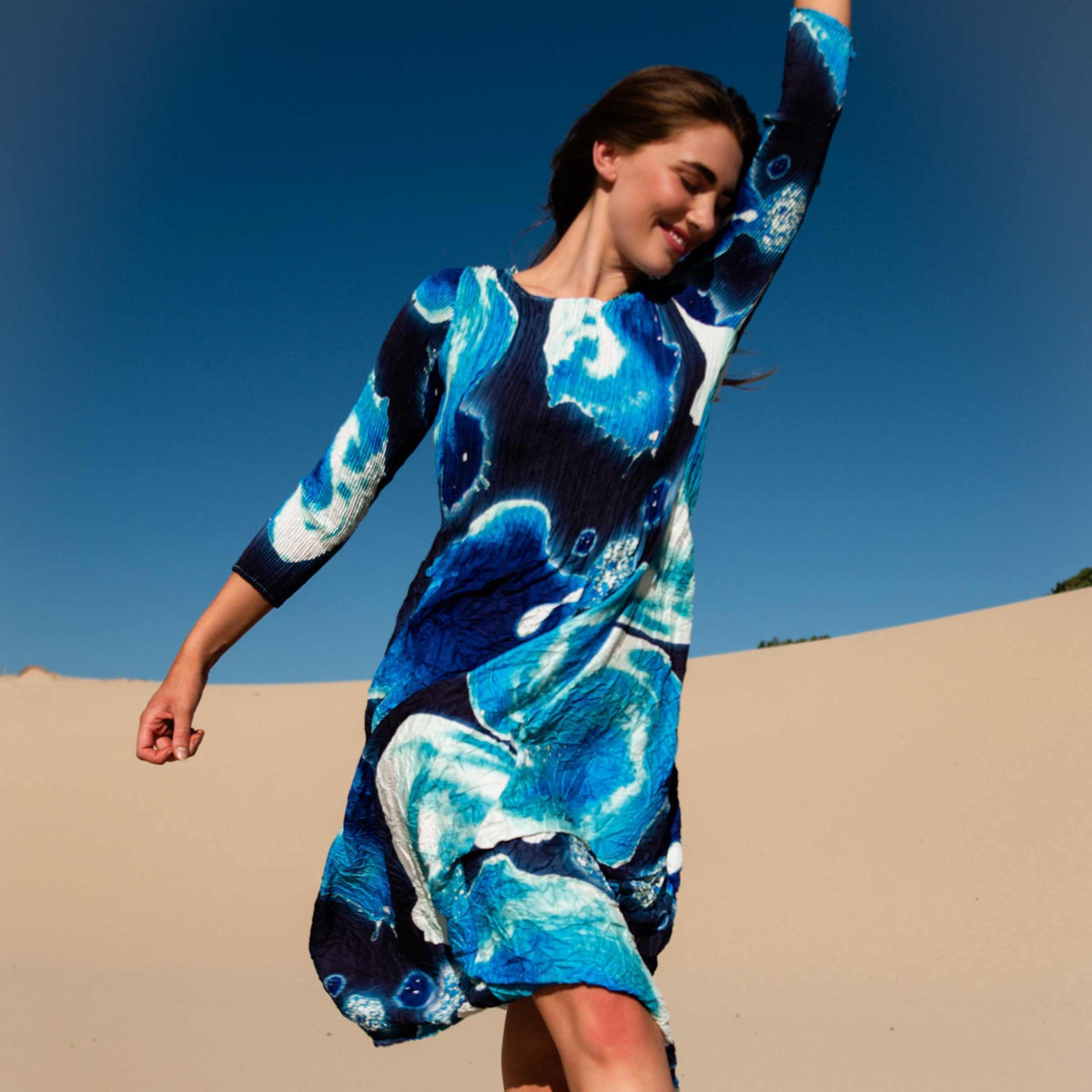
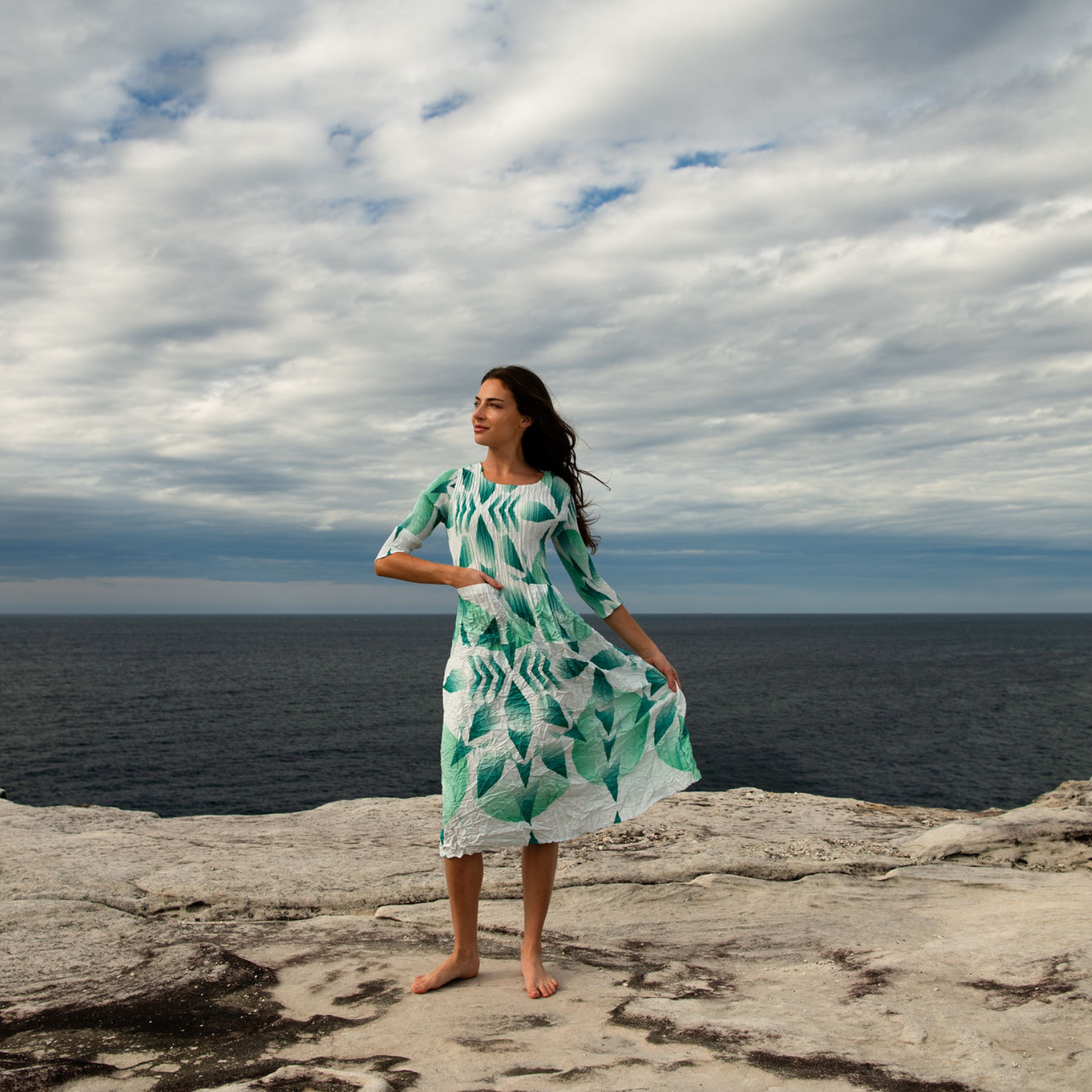
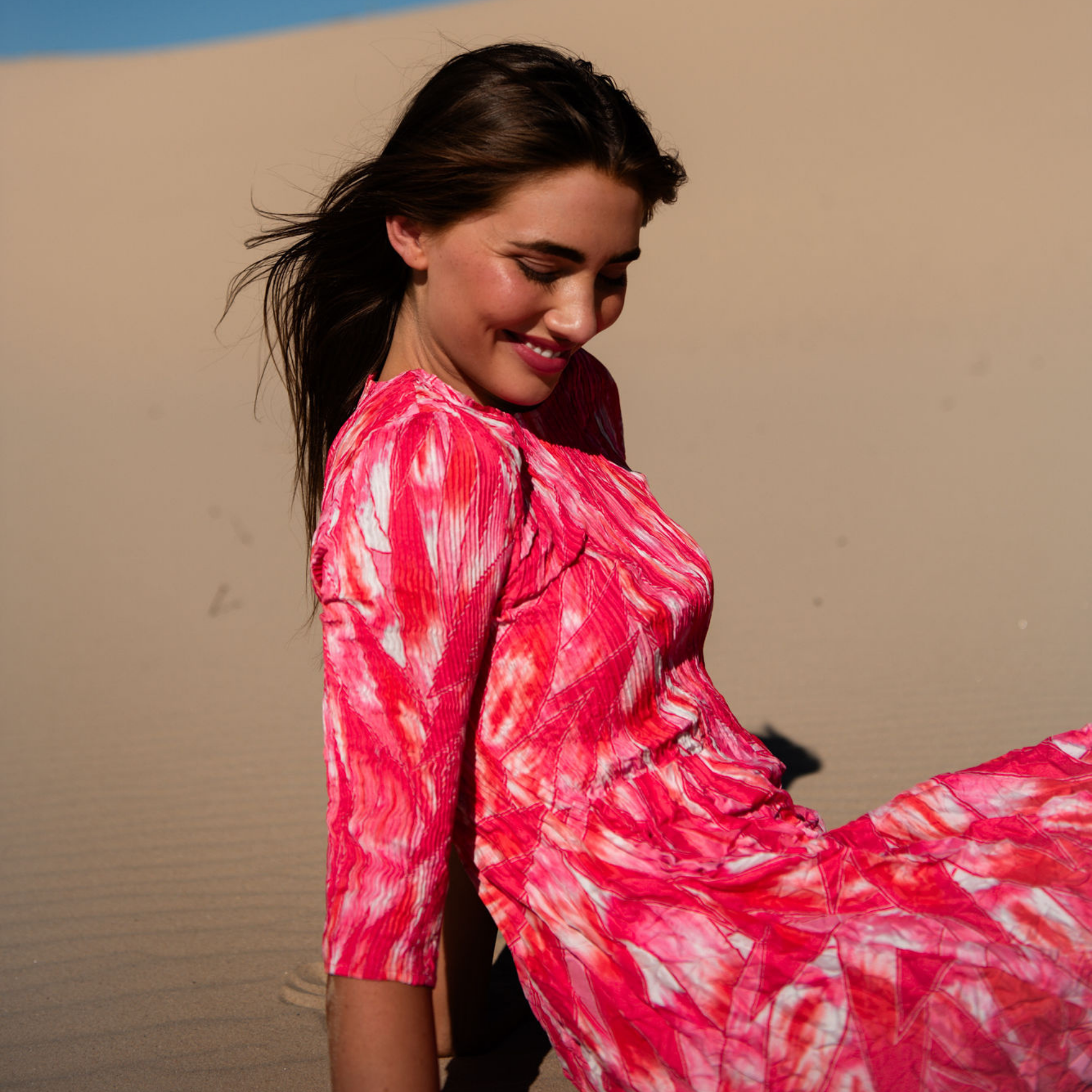
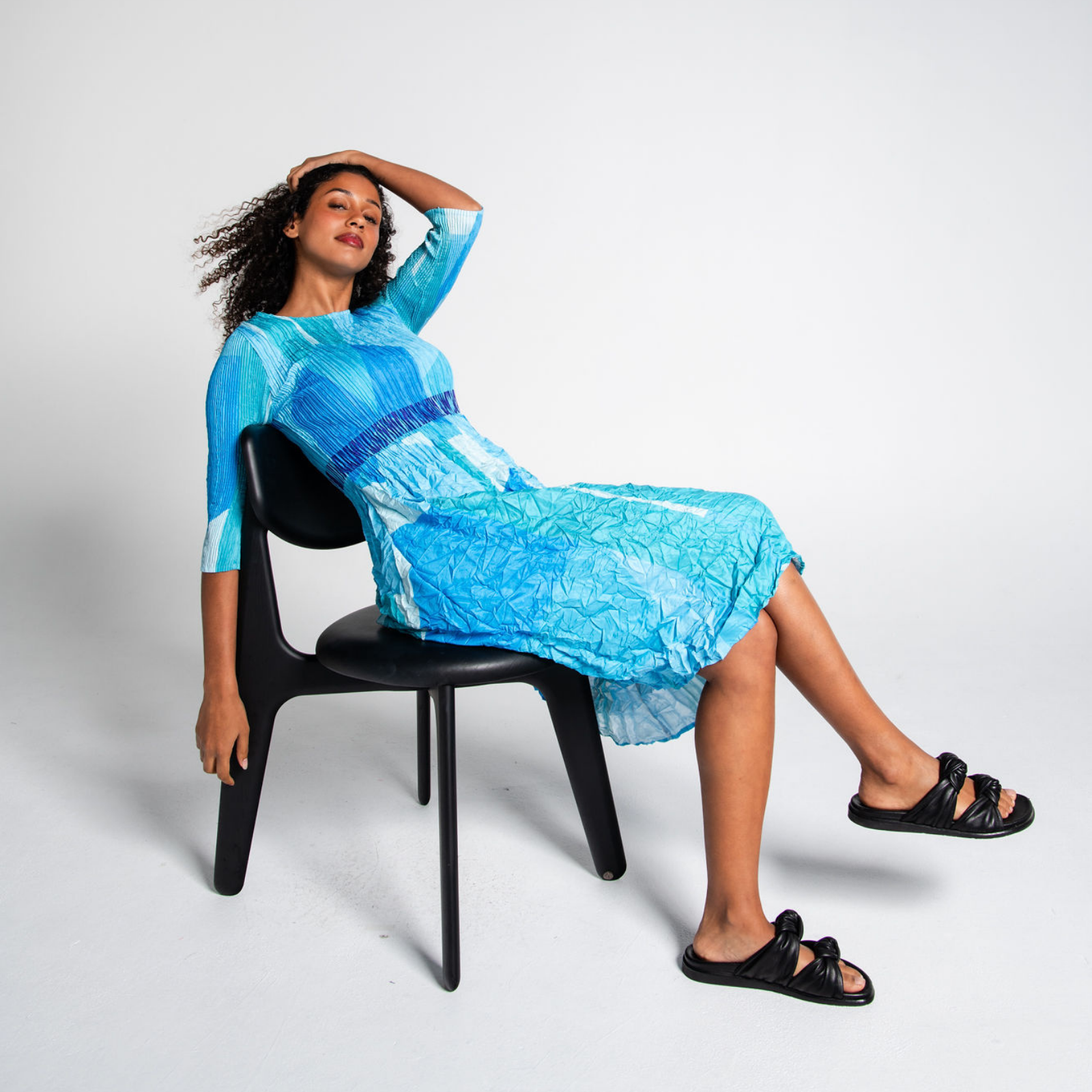
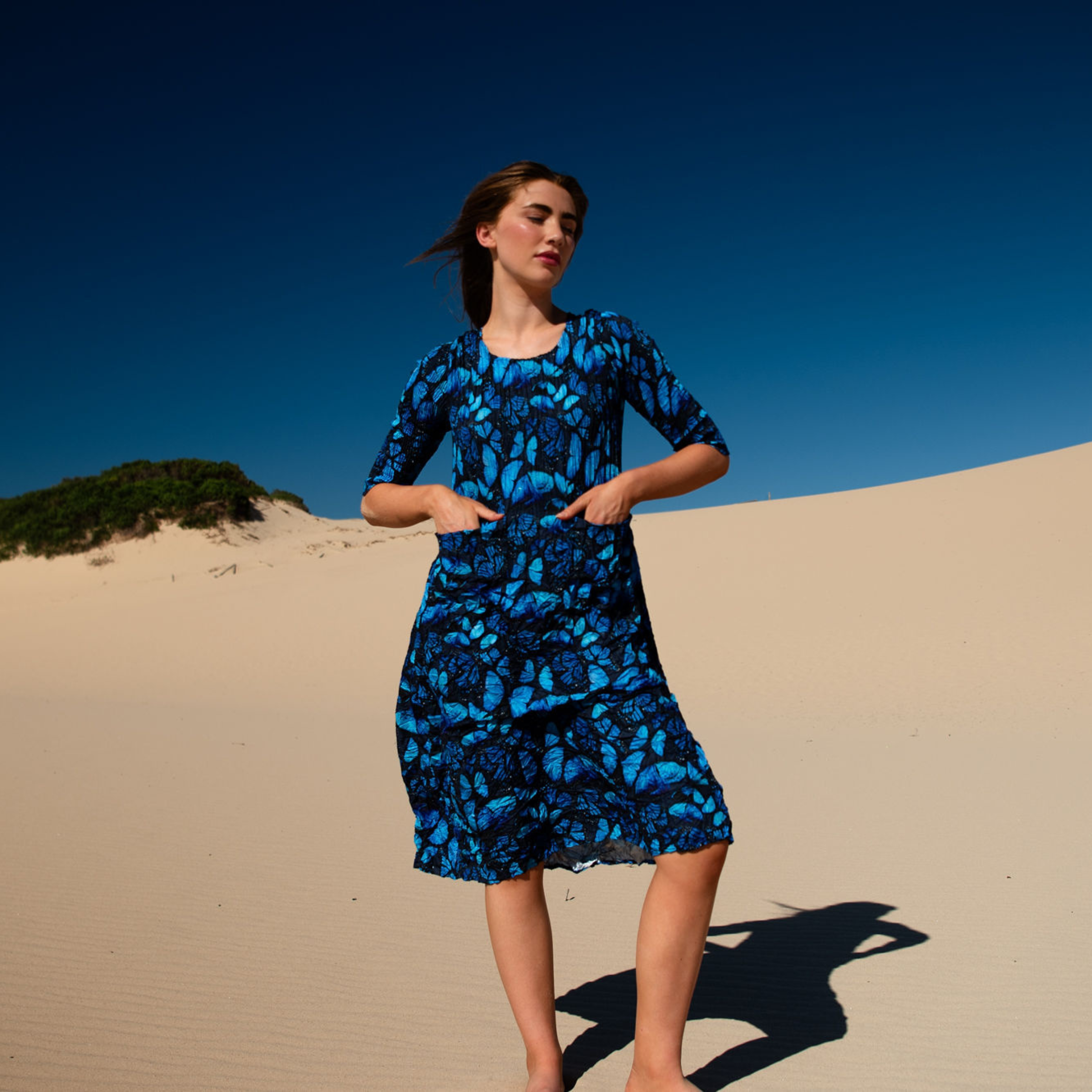
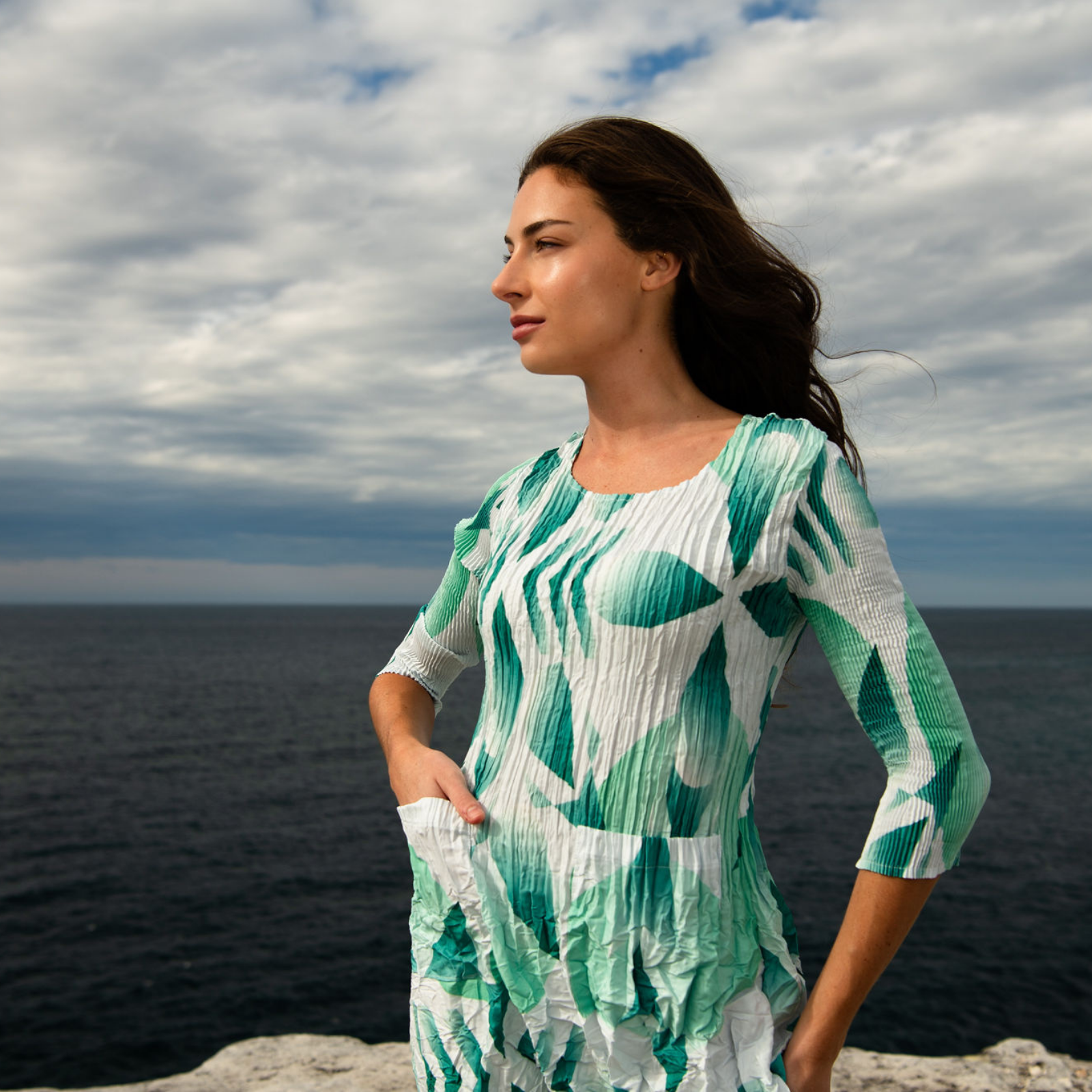
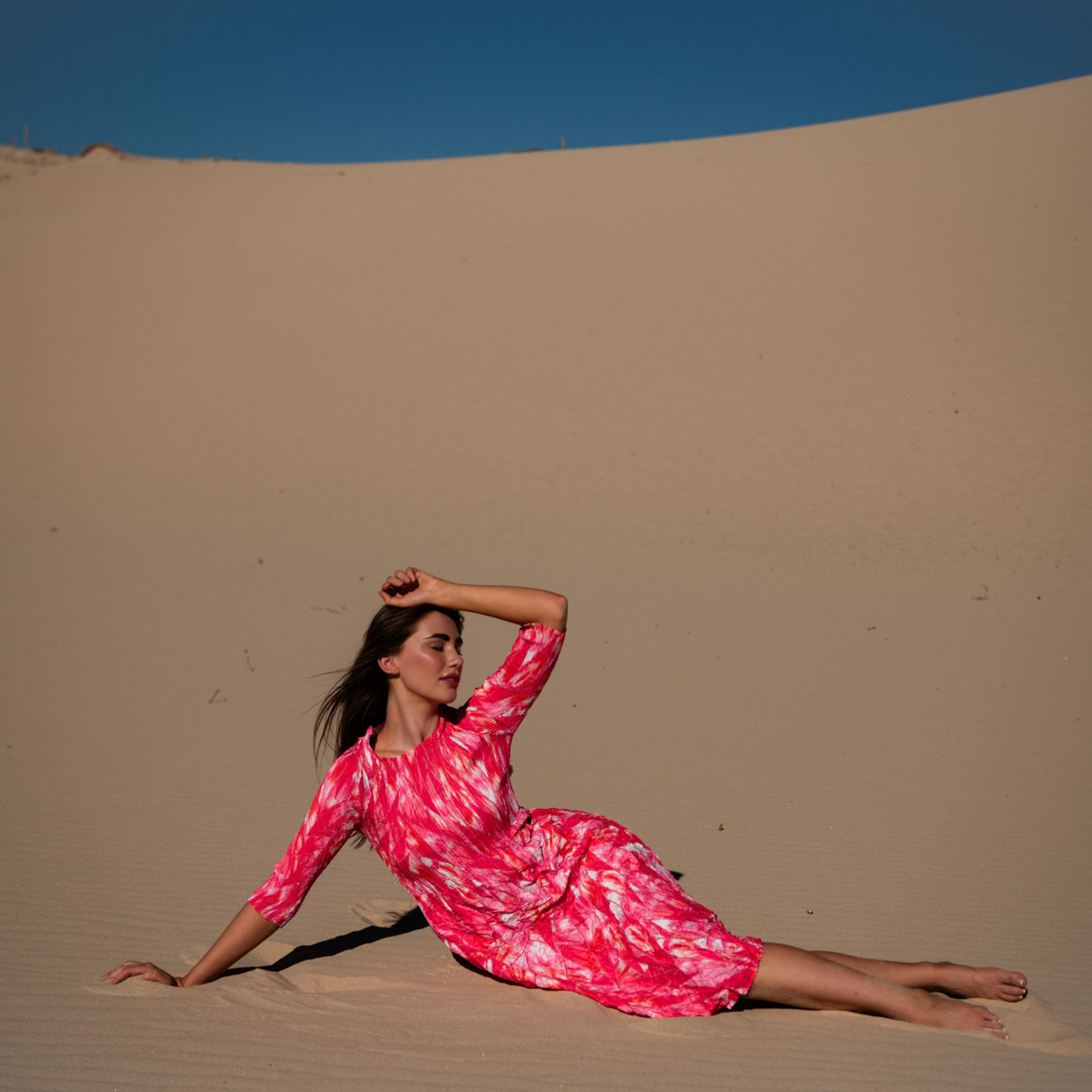
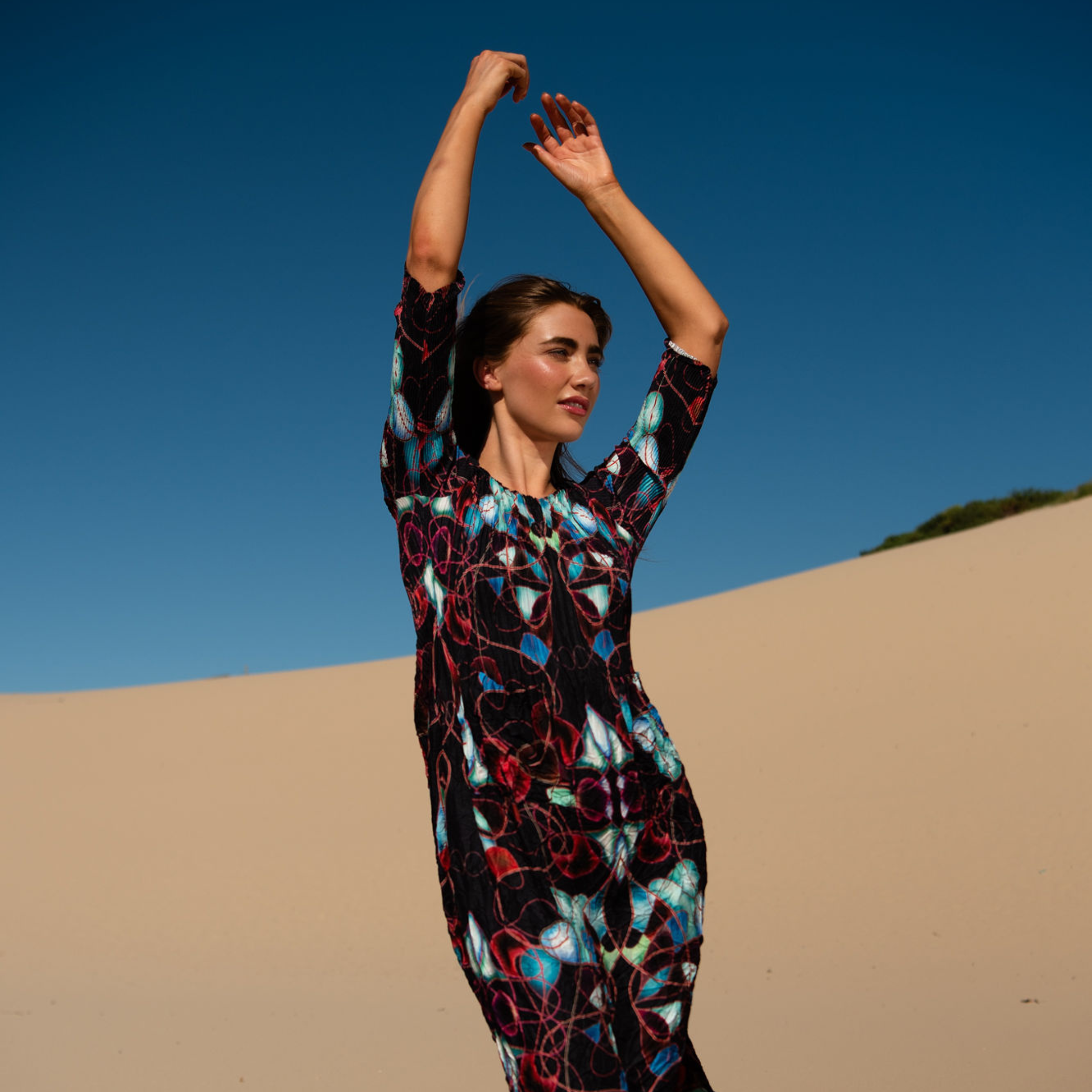
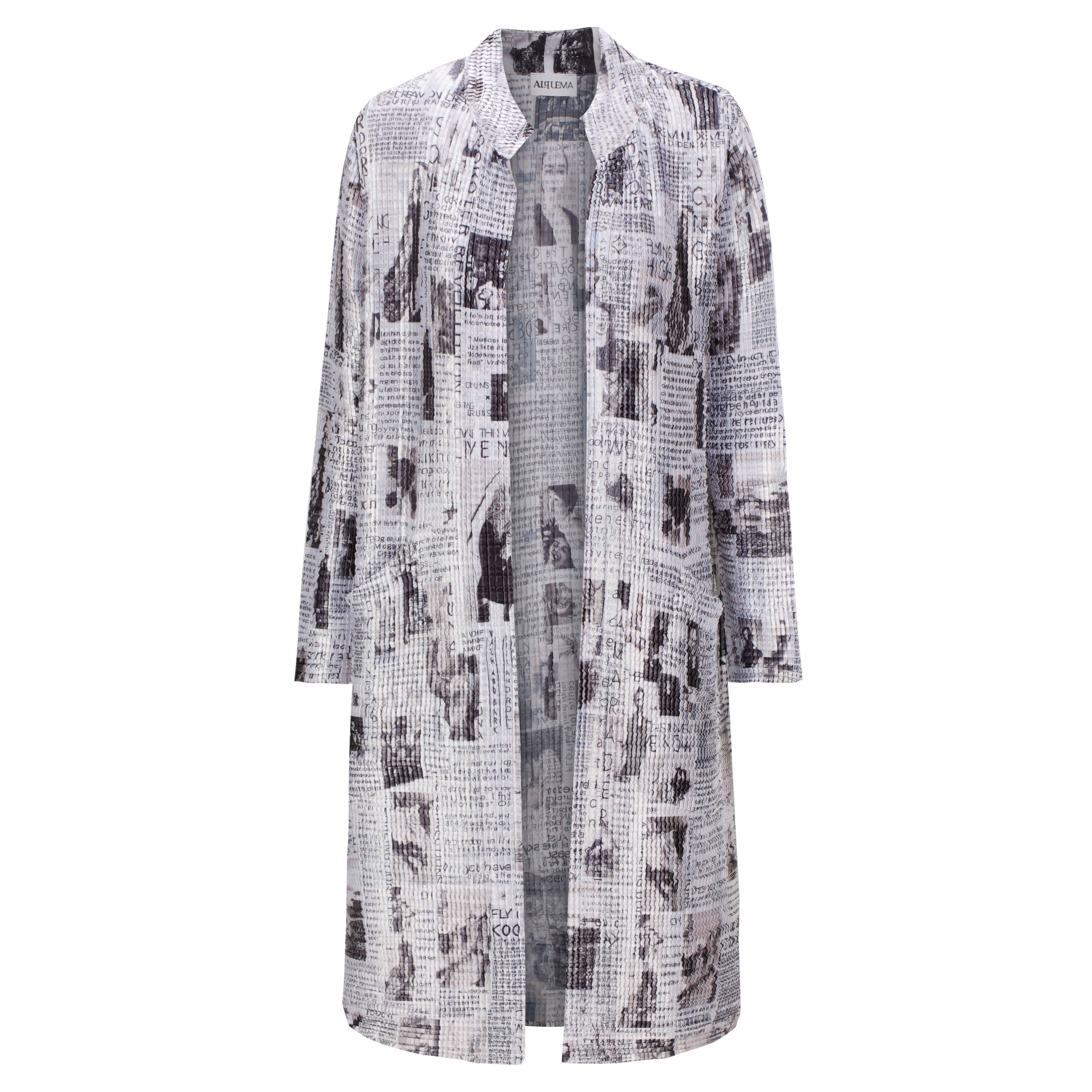
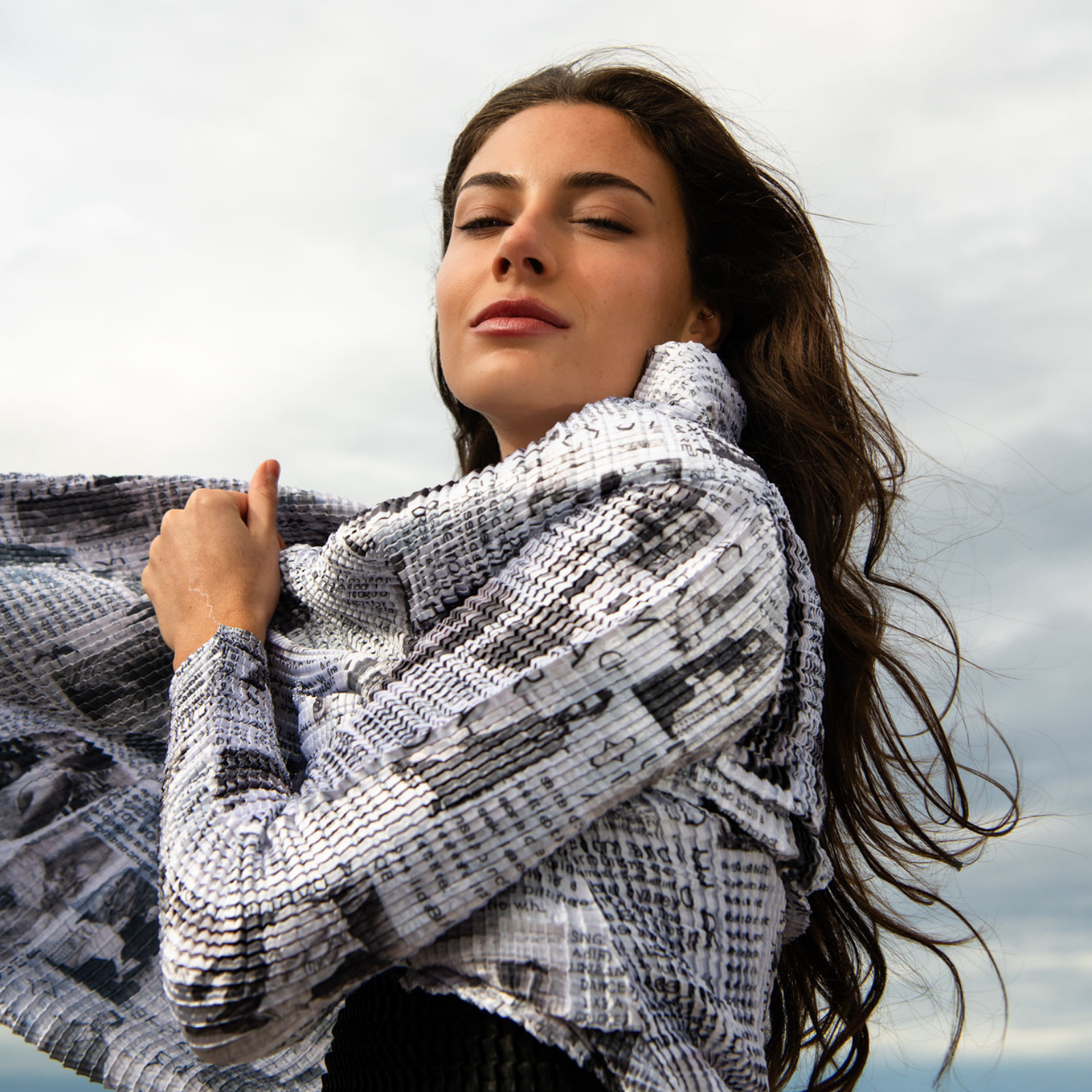
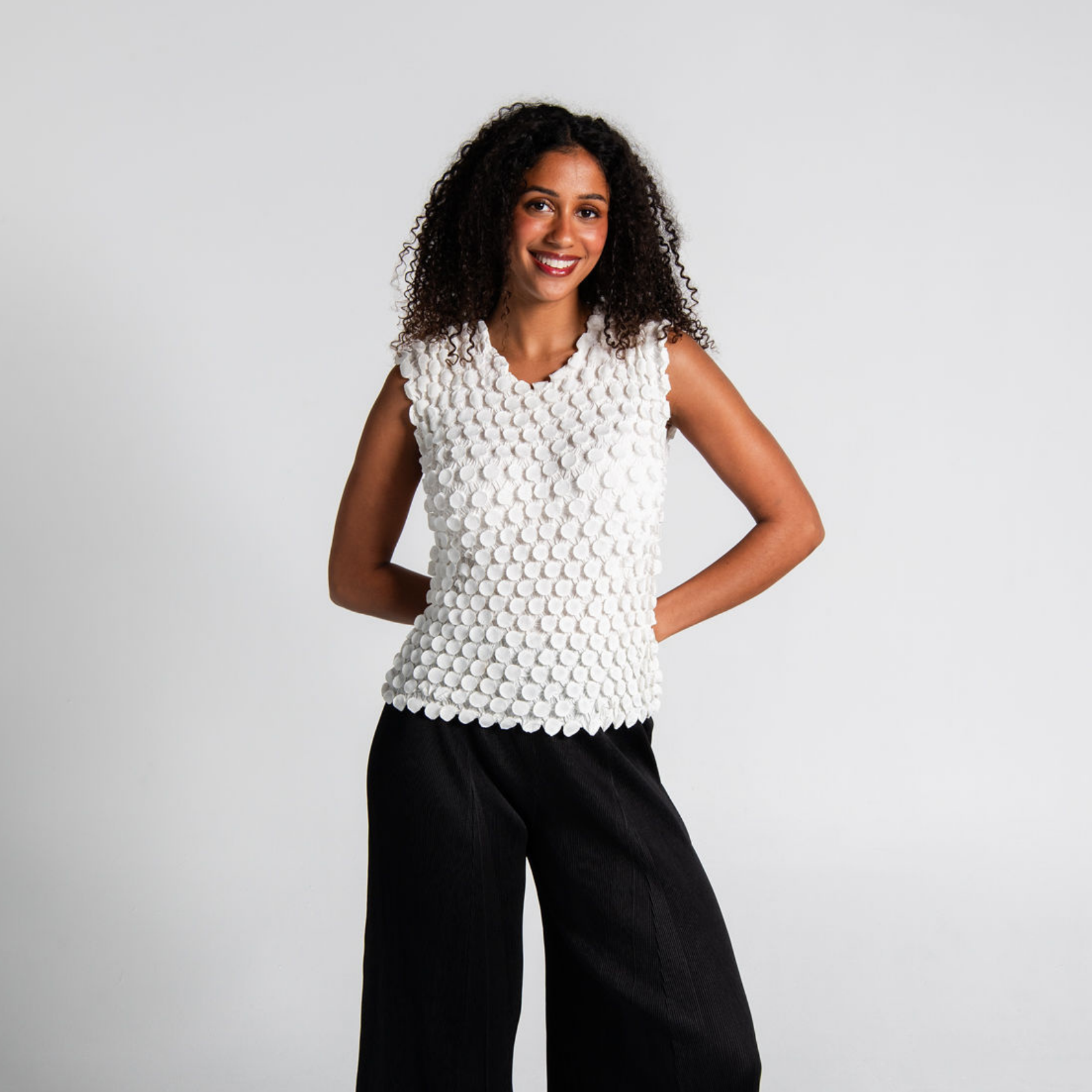
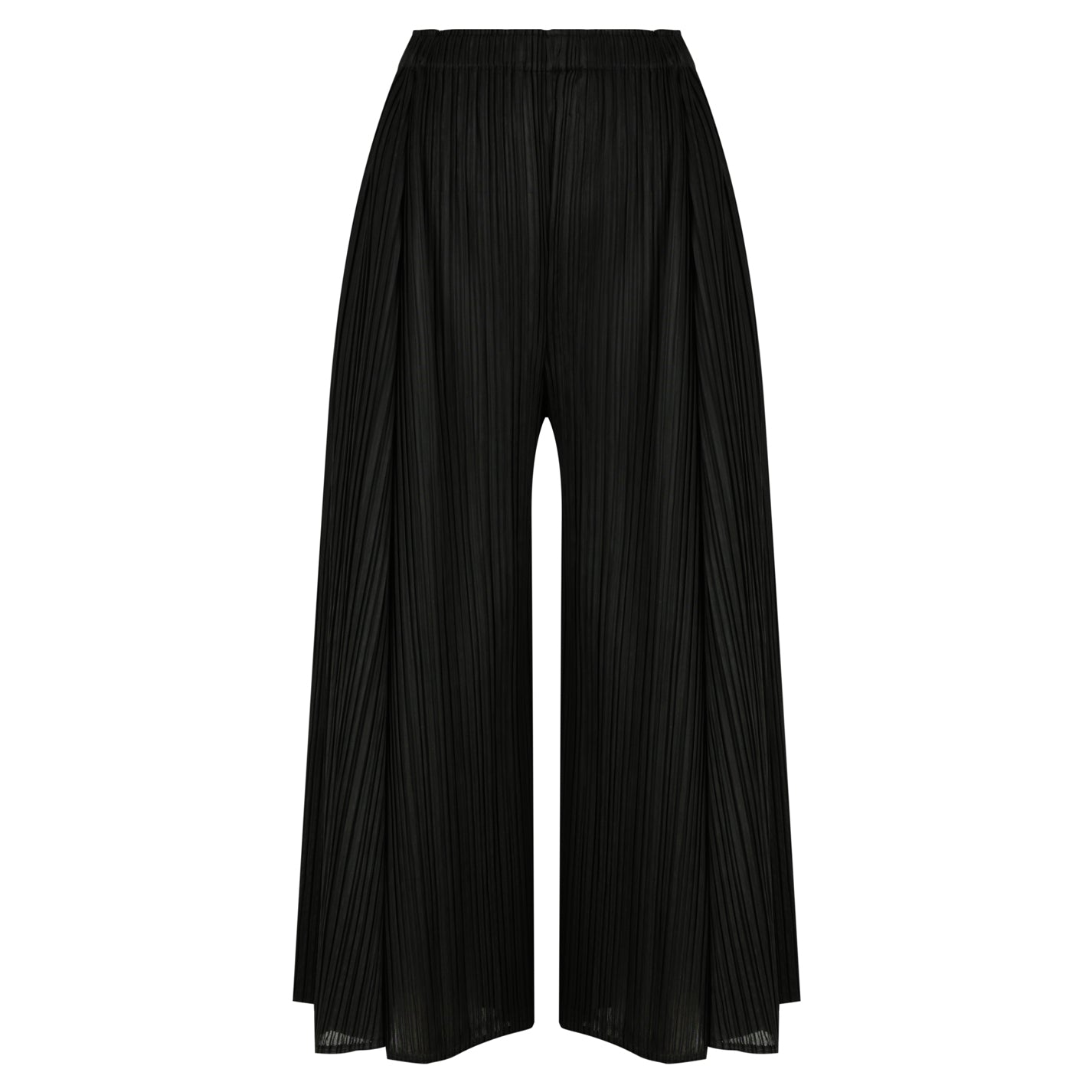
The result is the texture visible in every ALQUEMA piece: a fine, consistent pleating that catches and moves in light, compresses and recovers without damage, and gives the fabric its characteristic drape.
ALQUEMA developed this technique specifically for its own materials and purposes over decades, which is what makes it proprietary. It differs from machine-pleated fabric, and it differs from crinkle or crushed fabric, in both method and result. That distinction sits at the centre of every ALQUEMA dress.
Why the Technique Matters for How the Clothes Wear
It doesn't crease. The pleating is the structure, so compressing it doesn't damage it. Pack it in a suitcase, sit in it for hours, fold it in a drawer, and it returns to its original form. Skip the iron and the steamer entirely, which is part of why the fabric holds up so well across ALQUEMA's travel dresses.
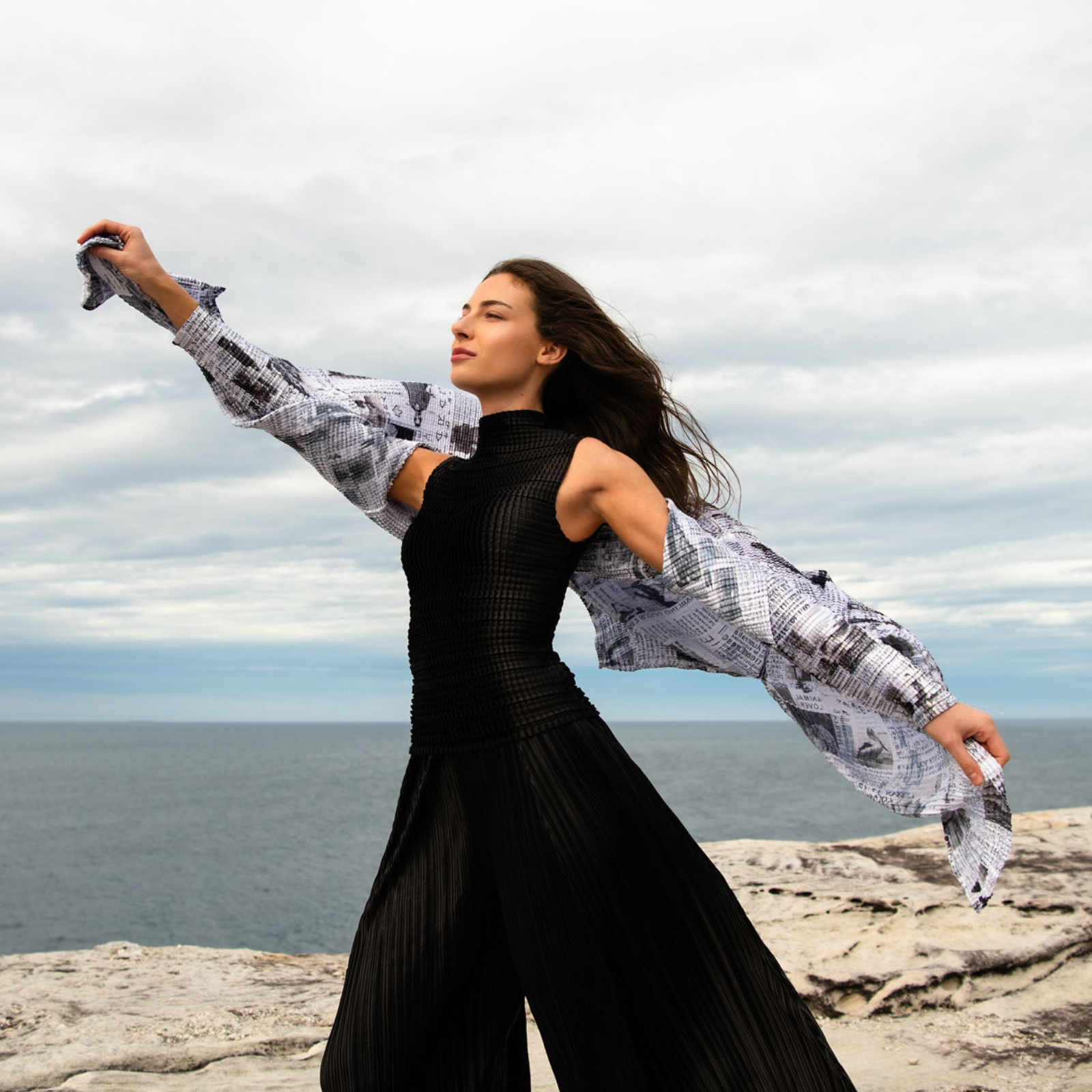
The pleating gives the fabric natural movement that follows the body without clinging. It responds to motion instead of locking in a fixed silhouette. A fabric with structural pleating holds its character over time instead of peaking on first wear and fading from there.

Shibori in Contemporary Fashion
Fashion has used Shibori more widely over the past decade, as the slow-fashion movement renewed interest in hand-worked, artisan techniques. But most contemporary use of the term describes dyeing methods, particularly indigo resist-dyeing, rather than structural pleating.
The Shibori-inspired pleating technique ALQUEMA uses is less common in fashion. It requires skilled hand labour, takes longer to produce than machine alternatives, and resists the kind of scaling industrial processes allow. ALQUEMA has kept the technique because no faster method produces the same result.
Why Craft Heritage Matters in Womenswear
ALQUEMA has operated for over 40 years. That's a long time for any fashion label, and a particularly long time for one that hasn't changed its core technique.
Women keep coming back to these pieces, and that's part of what explains the longevity. A woman who buys the Smash Dress or the Estrella Dress tends to buy it again, in a different print, in a different season. The fabric holds up. ALQUEMA refines its silhouettes over time instead of replacing them.
Hand-made pieces don't wear out the way trend-driven pieces do. Women keep them, wear them again, and eventually hand them on, which is part of why certain pieces become ALQUEMA's bestsellers season after season.

Frequently Asked Questions
What is Shibori?
Shibori is a Japanese textile manipulation technique that involves folding, binding, compressing, or twisting fabric to create texture, pattern, and structure. Artisans in Japan have practised it for over 500 years.
Is ALQUEMA fabric actually Shibori?
ALQUEMA uses a hand-pleating technique inspired by Shibori, not a direct reproduction of any single traditional Japanese method. The label developed this adaptation over 40 years of working with the technique in womenswear design.
Why doesn't ALQUEMA fabric crease?
Hand-pleating creates a permanent structural configuration in the fabric. Compressing or folding it doesn't damage that structure, so it returns to its original state after you pack it or wear it.
How is hand-pleated fabric different from crinkle fabric?
Manufacturers typically treat crinkle fabric chemically or thermally to produce a casual, irregular texture. Hand-pleated, Shibori-inspired fabric is different: skilled hands shape it into a finer, more consistent pleat, with its own movement and drape.



















Leave a comment
This site is protected by hCaptcha and the hCaptcha Privacy Policy and Terms of Service apply.